
Dinis Ferris Wheel · Observation Wheel Manufacturer
City Landmark & Night Tourism Ferris Wheel
A lit wheel as a civic icon: LED media, air-conditioned cabins and programming that keeps the asset earning after dark.
A city landmark wheel is judged by three things: how it looks on the skyline, how efficiently it moves people, and how well it earns after dark. These ten angles cover the engineering and programming decisions that separate a civic icon from a large ride.
1. Skyline identity and view corridor
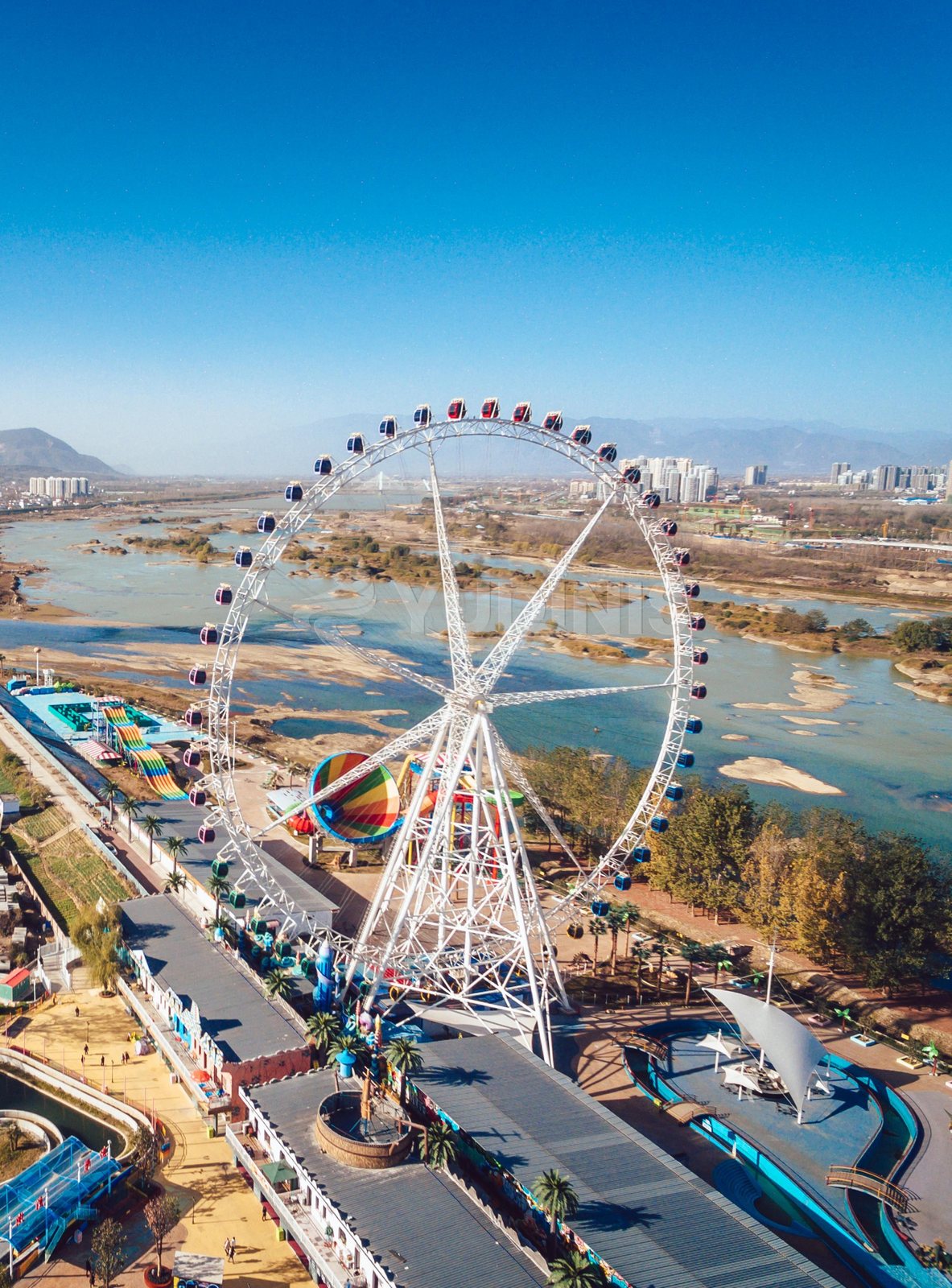
The view corridor study maps where the wheel is seen and how it frames the skyline, because a wheel hidden behind a tower never becomes an icon. The cabin orientation is planned from the same study so the guest view matches the marketing promise.
A landmark wheel must read from the city rather than from the plaza. The view corridor study maps where the wheel is seen, how it frames the skyline and what height clears the surrounding buildings. The target height is set by the corridor, not only by the budget, because a wheel hidden behind a tower never becomes an icon.
The study also protects the guest view: the cabins should look out over water, a skyline or a landmark, not into a neighboring facade. The corridor analysis and the cabin orientation are planned together so the ride experience matches the marketing promise.
2. Structure selection for a landmark
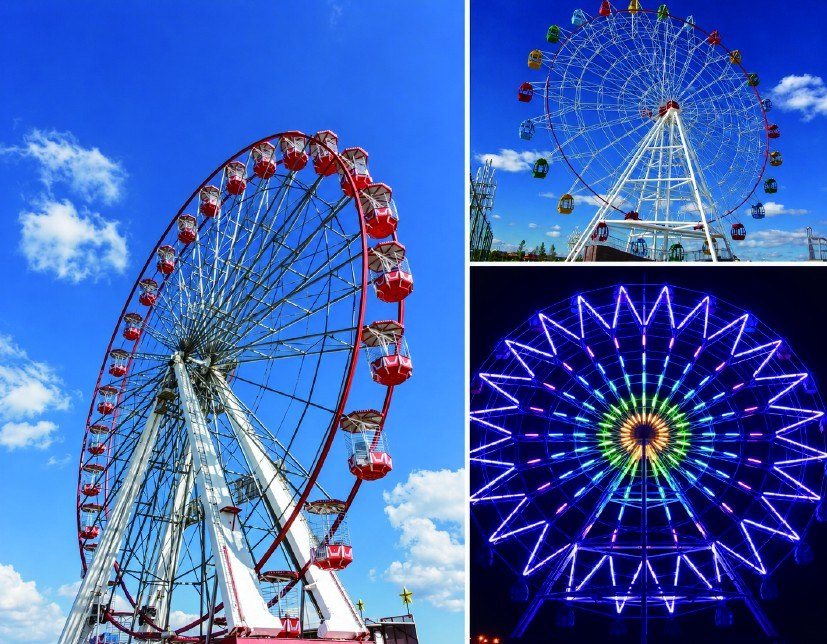
The structure is part of the public result, not an engineering detail. A civic client is buying a skyline object, so the silhouette is justified in the design file as well as in the render.
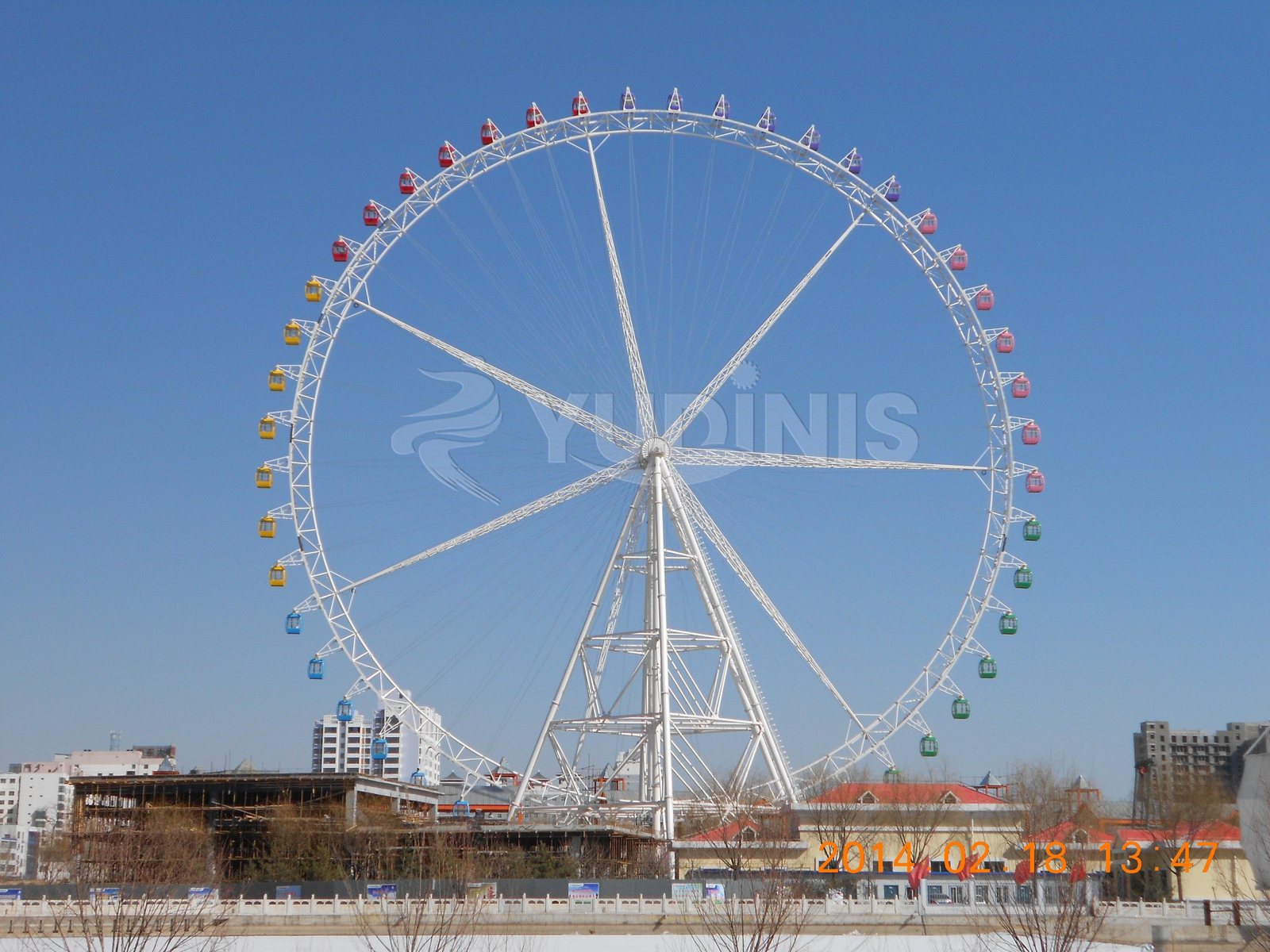
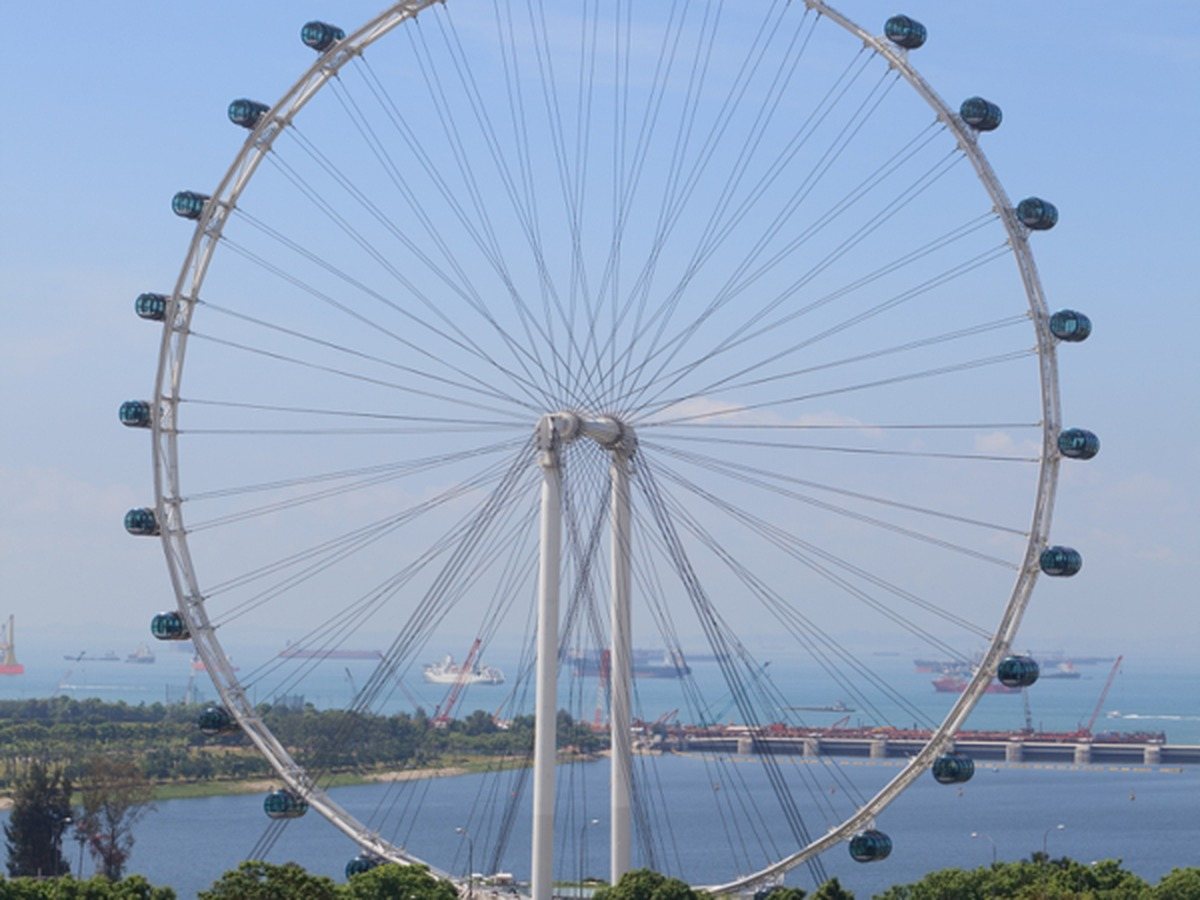
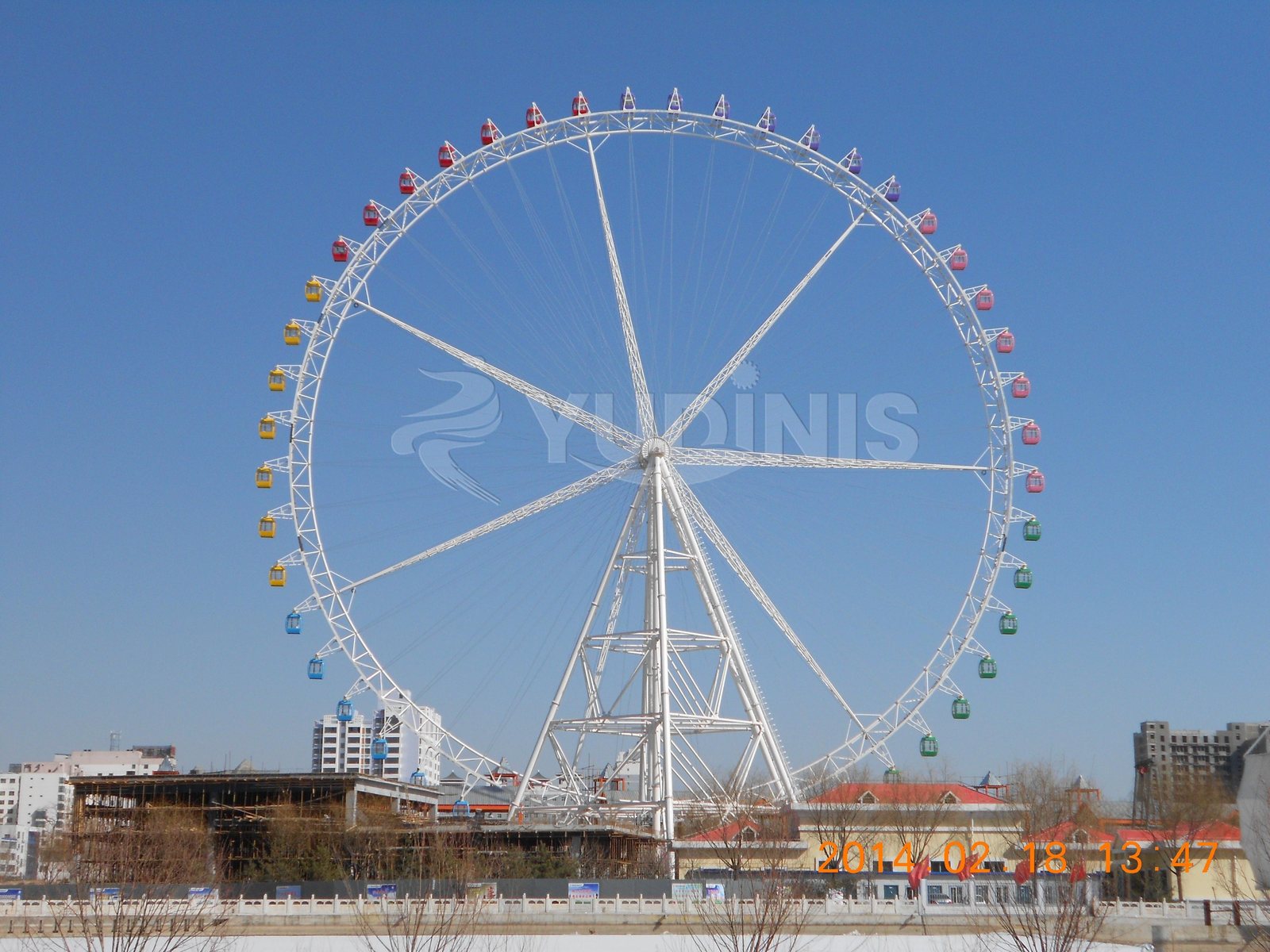
The structure sets the silhouette. Spoke-cable and cable-stayed forms give a lighter, more contemporary line that suits waterfronts and city centers, while a truss reads stronger and more utilitarian. Dinis recommends the structure against the height, the wind environment and the visual language the city wants.
The structural choice also changes the foundation footprint and the cost, so it is made with the civil study rather than after it. A lighter silhouette that concentrates load into fewer anchors can be elegant, but it requires a geotechnical review and a careful foundation design.
3. Cabin throughput and comfort
Cabin specification changes the electrical load, so it is fixed before the wiring and substation are designed. A premium cabin package raises the price point and the dwell value, which matters more for a landmark than raw hourly throughput.
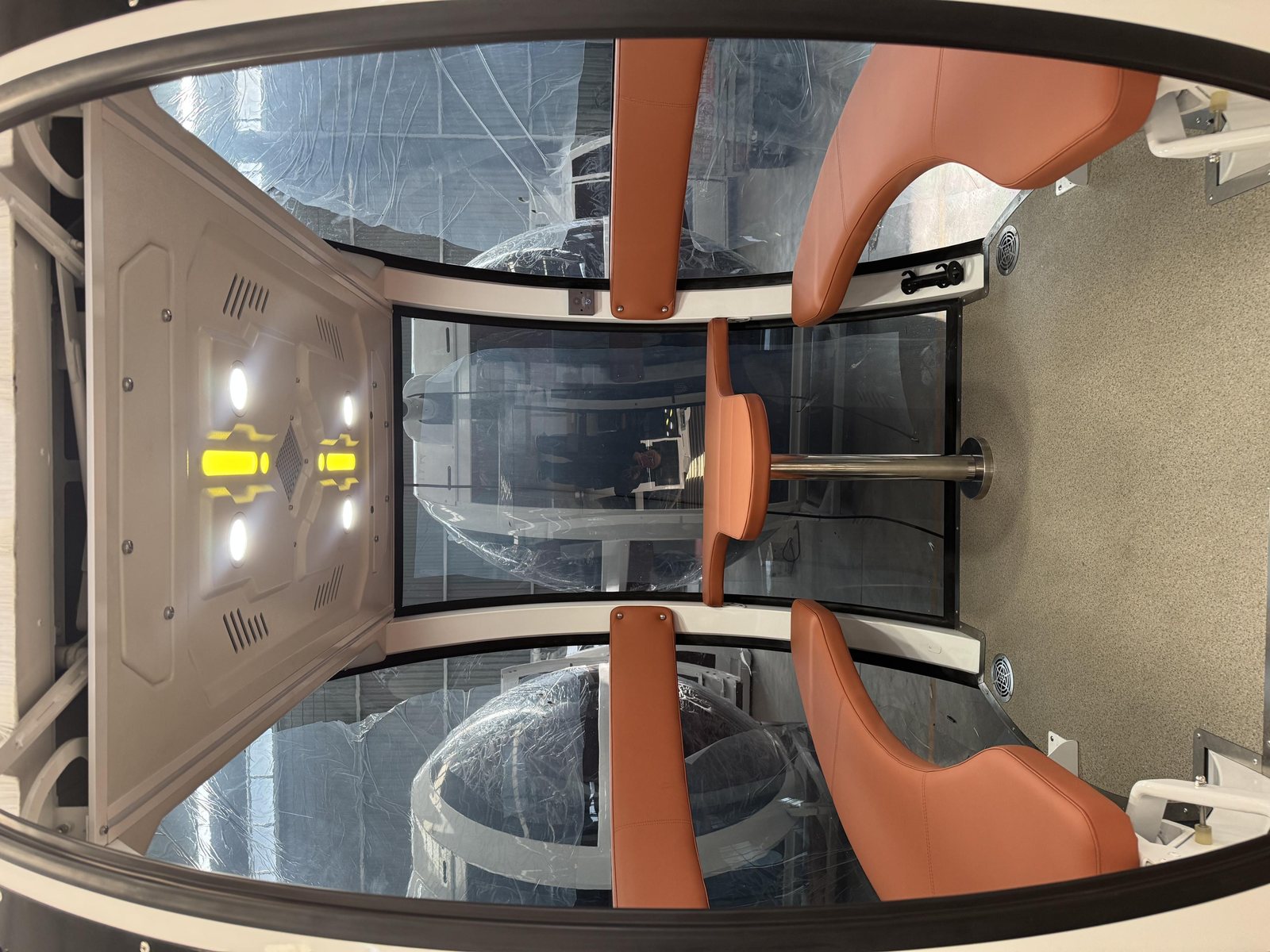
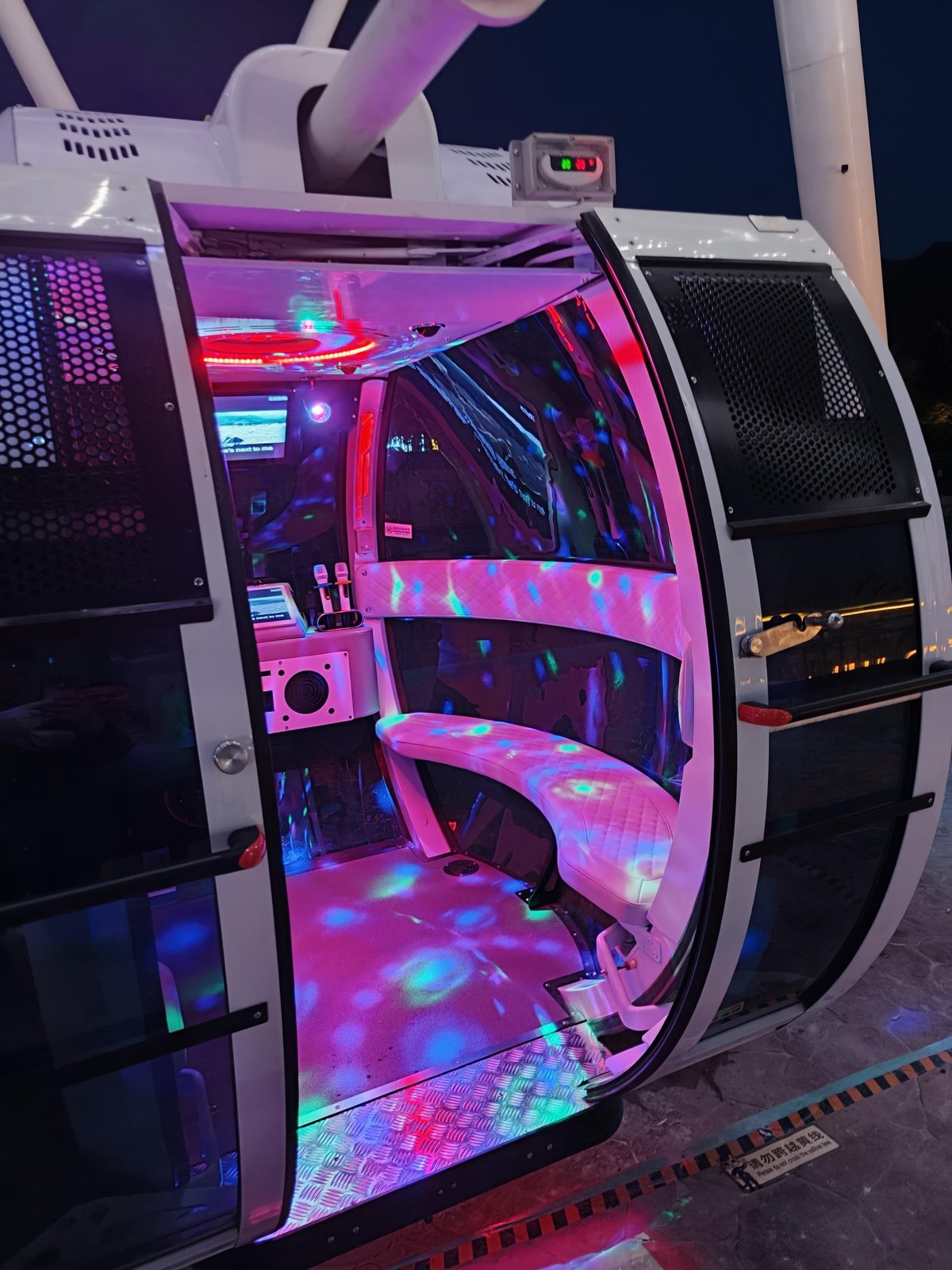
A landmark wheel needs cabins that move people efficiently and comfortably. Six-seat cabins with air conditioning support the evening and summer sessions that night tourism depends on, and they can carry glass floors, intercom and media. The boarding geometry is sized for the peak-hour target and the queue.
Cabin specification changes the electrical load, so it is fixed before the wiring and substation are designed. A premium cabin package raises the price point and the dwell value, which matters more for a landmark than raw hourly throughput.
4. LED media and night identity
The LED scheme is designed as part of the control system rather than as an external controller, so scenes switch without interrupting operation. The lighting load is part of the electrical design from the start.
The LED scheme is part of the attraction, not decoration. Programmable full-LED coverage turns the wheel into a media surface for civic events, holidays and brand sponsorships, and the scenes are designed with the control system rather than added as an external controller. The lighting plan also covers the plaza for safe evening movement.
Night identity drives social sharing and repeat visits, which is the marketing engine of a landmark wheel. The lighting load is part of the electrical design, so the media plan and the power plan are developed together.
5. Event and sponsorship programming
Sponsorship uses the wheel as a programmable media surface, which changes the business model from ticket revenue to a media asset. The programming is designed to switch quickly between civic, holiday and brand scenes.
A landmark wheel is also a stage. The programming plan covers themed light shows, holiday events, sponsored colors and the plaza activations that bring people back. The wheel and its surroundings are planned so events do not block normal boarding or the maintenance path.
Sponsorship uses the wheel as a programmable media surface, which changes the business model from ticket revenue to a media asset. The programming is designed to switch quickly between civic, holiday and brand scenes without interrupting operation.
6. Revenue levers beyond the ticket
The revenue plan feeds back into the design: a media-first wheel needs the full LED scheme and a sponsorship-ready control system, while a capacity-first wheel prioritizes cabin count.
Ticket revenue is only the first lever. Cabin upgrades, lighting sponsorships, event programming, F&B and photo packages at the boarding plaza, and partnerships with hotels and tour operators all extend the asset. A landmark wheel is valued as a media and destination asset as much as a ride.
The revenue plan feeds back into the design: a media-first wheel needs the full LED scheme and a sponsorship-ready control system, while a capacity-first wheel prioritizes cabin count. Dinis plans the wheel around the chosen levers so the engineering supports the business model.
7. Civil, foundations and approvals
The foundation concept, wind study and height clearance are gathered early, and the planning route is mapped against the destination rules. Civil works often lead the schedule at this scale.
A city landmark wheel carries a heavier planning and approvals load than a park wheel. The foundation concept, wind study and height clearance are gathered early, and the planning route is mapped against the destination rules. Civil works often lead the schedule at this scale.
The foundation concept is developed against the geotechnical report, and the projection and foundation footprints are separate figures in the site plan. Starting the approvals early is the single most reliable way to protect the opening date.
8. Utility and power planning
The substation and cable routes are coordinated with the utility provider as soon as the cabin and lighting specification is fixed. Backup power for evacuation and safety lighting is part of the design.
A landmark wheel with air conditioning and full LED media needs a substantial power supply, often 100 kVA or more at the larger scales. The substation and cable routes are coordinated with the utility provider as soon as the cabin and lighting specification is fixed.
Backup power for evacuation and safety lighting is part of the design, and the control system supervises the load groups. Coordinating the utility early avoids the most common delay on city-center projects, where connection lead times are long.
9. Delivery and commissioning
The delivery plan and the city permits run together, because closing a street or lifting over a promenade needs coordination. The structure, cabins and lighting are commissioned in a defined order.
The wheel is pre-assembled and tested in the workshop before shipment, then erected on site under supervision. Commissioning covers no-load and full-load tests, safety interlocks, lighting scenes and media handover. The sequence is planned with the city crane and traffic constraints in mind.
At landmark scale the delivery plan and the city permits run together, because closing a street or lifting over a promenade needs coordination. The program is phased so the structure, cabins and lighting are commissioned in a defined order rather than in parallel chaos.
10. Operations and media handover
The media handover includes the scene library and the switching workflow, so the operator can run civic, holiday and sponsored content without an external production team.
The handover turns the wheel into an operating media asset. Operators are trained on the ride, the lighting and the event programming, and the maintenance team receives the daily, weekly, monthly and annual checklists. Remote monitoring watches speed, faults and service intervals.
The media handover includes the scene library and the switching workflow, so the operator can run civic, holiday and sponsored content without an external production team. Dinis remains the engineering contact after opening for changes and support.
City landmark wheel FAQ
Can the lighting be changed for events and sponsorships?
Yes. The LED scheme is programmable for brand colors, holidays and sponsored events, and the scene library is handed over with the wheel.
The lighting is designed as part of the control system rather than as an external controller, so scenes switch without interrupting rotation and the operator does not need a production team for routine changes. Sponsorship turns the wheel into a media surface, which changes the revenue model from ticket sales alone to a recurring media asset. The lighting load is part of the electrical design, so the media plan and the power plan are developed together rather than one being bolted onto the other after the substation is sized.
The scene library is structured so civic, holiday and sponsored content are separate and switchable in a defined workflow, and new scenes can be added after opening. Safety lighting and emergency circuits are kept separate from the show lighting, so a scene failure never affects evacuation or normal operation. The operator can run the wheel as a landmark, an event stage or an advertising surface depending on the night.
From a revenue view, the media surface is often what turns a landmark wheel from a single-ticket attraction into an asset with recurring sponsorship income.
The media system is also the reason a city landmark wheel can sustain itself financially. A wheel that only earns tickets has a single revenue line, while a wheel that carries civic, holiday and sponsored scenes earns as an asset even when it is not at peak capacity. The control system is built to switch those scenes reliably, and the operator holds the scene library so the content is a local decision rather than a vendor service. That independence matters because the city and its partners will want to change the content often, and each change should be a software edit rather than a commissioning visit.
The structural and media decisions are therefore made as one design, so the city approves a single coherent proposal instead of a ride plus a lighting add-on, and the sponsor and the regulator review the same document.
That single proposal is also easier for the insurer to underwrite.
What structure suits a waterfront or city-center landmark?
Spoke-cable and cable-stayed structures give a lighter silhouette that suits waterfront and city-center settings, while a truss reads stronger and more utilitarian.
The choice changes the foundation footprint and the cost, so it is made with the civil study rather than after it. A lighter structure concentrates load into fewer anchors, which requires a geotechnical review and a careful foundation design. The visual language also matters for a civic project: the city is buying a skyline object, so the structure is part of the public result rather than an engineering detail that can be hidden.
Dinis recommends the structure against the height, the wind environment and the visual language the city wants, then verifies the cabin sway and the foundation reactions for that form. The result is a silhouette that is justified in the design file as well as in the render. A waterfront wheel may lean to spoke-cable for the open view, while a city-center wheel with a strong civic axis may suit a more solid truss statement.
The structure also sets the long-term inspection program: a cable structure adds cable checks, while a truss spreads its maintenance across many welded joints. That difference is priced into the operating plan, not discovered later.
The structural choice also sets the visual promise of the project. A waterfront wheel is usually judged first in photographs, and a silhouette that reads heavy can undermine the civic image even if the engineering is sound. That is why the render and the design file are produced together: the form must look right and must be verifiable under wind and foundation loads. The city is not choosing between engineering and appearance; it is choosing a structure that satisfies both, which is exactly what the design review is for.
The structure and the media plan are therefore one documented decision.