
Dinis Ferris Wheel · Observation Wheel Manufacturer
Resort & Scenic Area Ferris Wheel
A compact observation wheel for resorts and scenic areas: a photo point, a view product and a second-revenue stream.
Scenic areas and resorts already have the view; a wheel packages it into a paid experience. A compact 30-50 m wheel fits a ridge, lakeside or plaza without the heavy civil program of a city landmark, and it creates the photo point guests share. These ten angles cover the site and product decisions.
1. Packaging the existing view
The wheel packages the existing view into a paid, repeatable experience and gives guests a reason to linger. The photo point becomes free marketing because every guest image carries the destination.
A scenic area or resort already owns the asset: the view. The wheel packages that view into a paid, repeatable experience and gives guests a reason to linger and return. The design starts from the direction and quality of the view, then positions the wheel so the cabins face it.
The wheel also creates a new vantage point that walking paths cannot provide, which justifies a premium ticket even where the landscape is free. The photo point becomes free marketing, because every guest image carries the destination.
2. Model and height selection
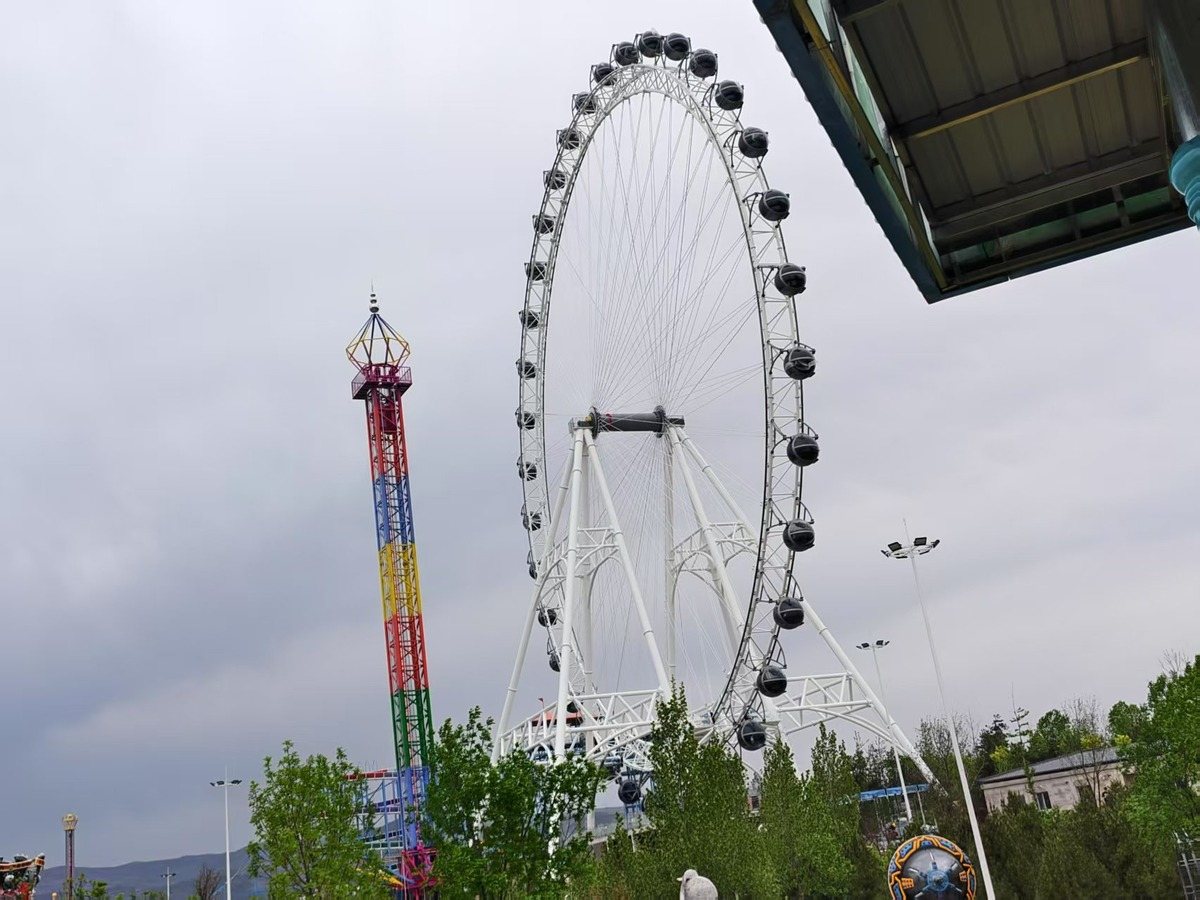
The height is set by the view corridor and the terrain, not only by the budget. A wheel slightly above the treeline delivers the full panorama, while an over-tall wheel adds cost without adding view.
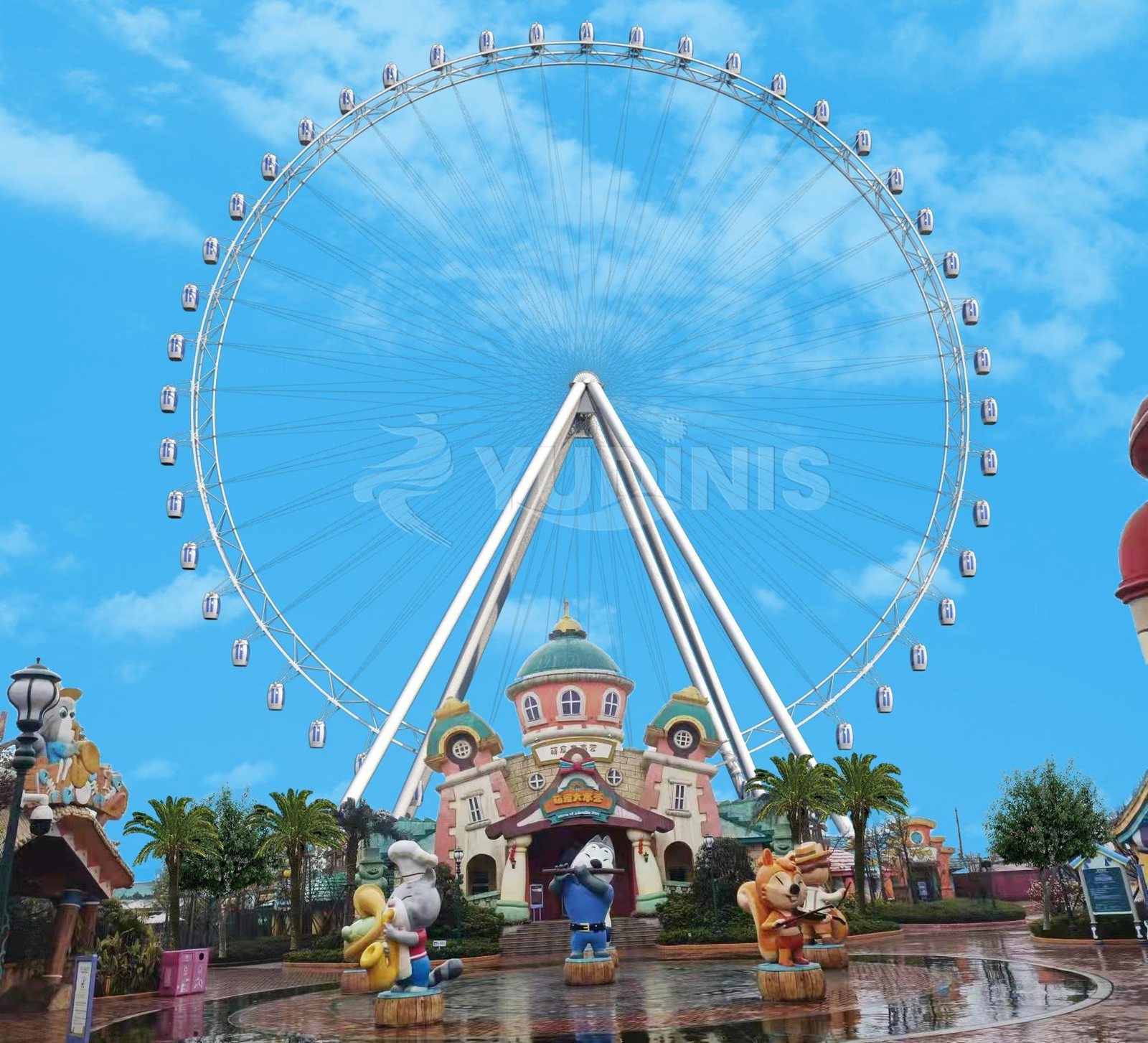
Most scenic-area wheels are compact: 30-50 m clears the treeline or the ridgeline without the civil program of a landmark. The 49 m cable-stayed model is a common choice where the operator wants spherical cabins and a lighter visual signature, while the 42 m and 46 m truss models suit parks and plazas.
The height is set by the view corridor and the surrounding terrain, not only by the budget. A wheel slightly above the treeline delivers the full panorama, while an over-tall wheel adds cost without adding view.
3. Footprint and terrain fit
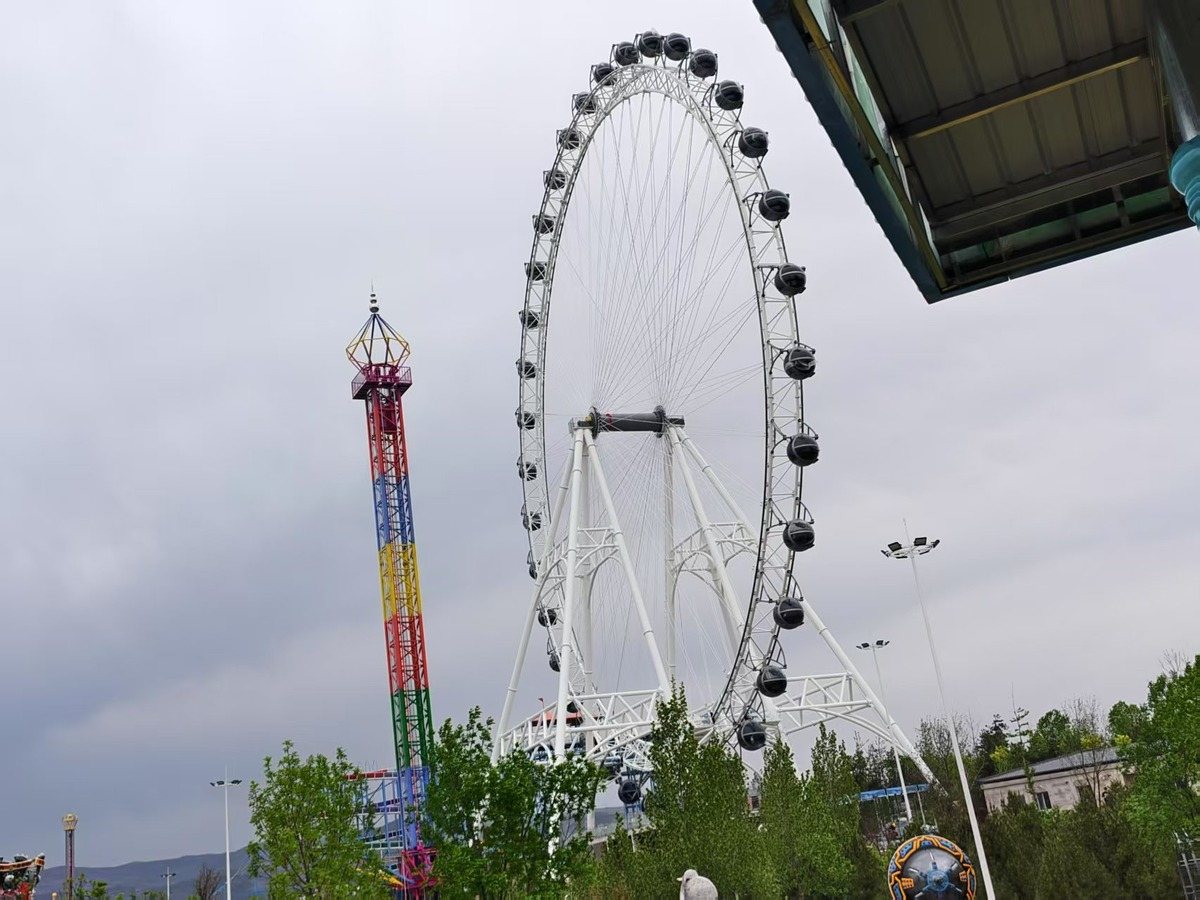
The terrain drives the support choice. A parallel-column or A-frame base can simplify the cut-and-fill on a slope, while a cable-stayed corridor suits a long ridge or promenade.
Scenic sites are often irregular: a ridge, a lakeside strip or a plaza with a slope. The compact footprints of the small and medium range, including the 23 x 15 m parallel-column and A-frame options, fit where a wide truss would not. The site plan reserves the queue, boarding platform and a narrow service path.
The terrain drives the support choice. A parallel-column or A-frame base can simplify the cut-and-fill on a slope, while a cable-stayed corridor suits a long ridge or promenade. Dinis matches the structure to the terrain rather than forcing a standard base onto the site.
4. Premium cabin experience
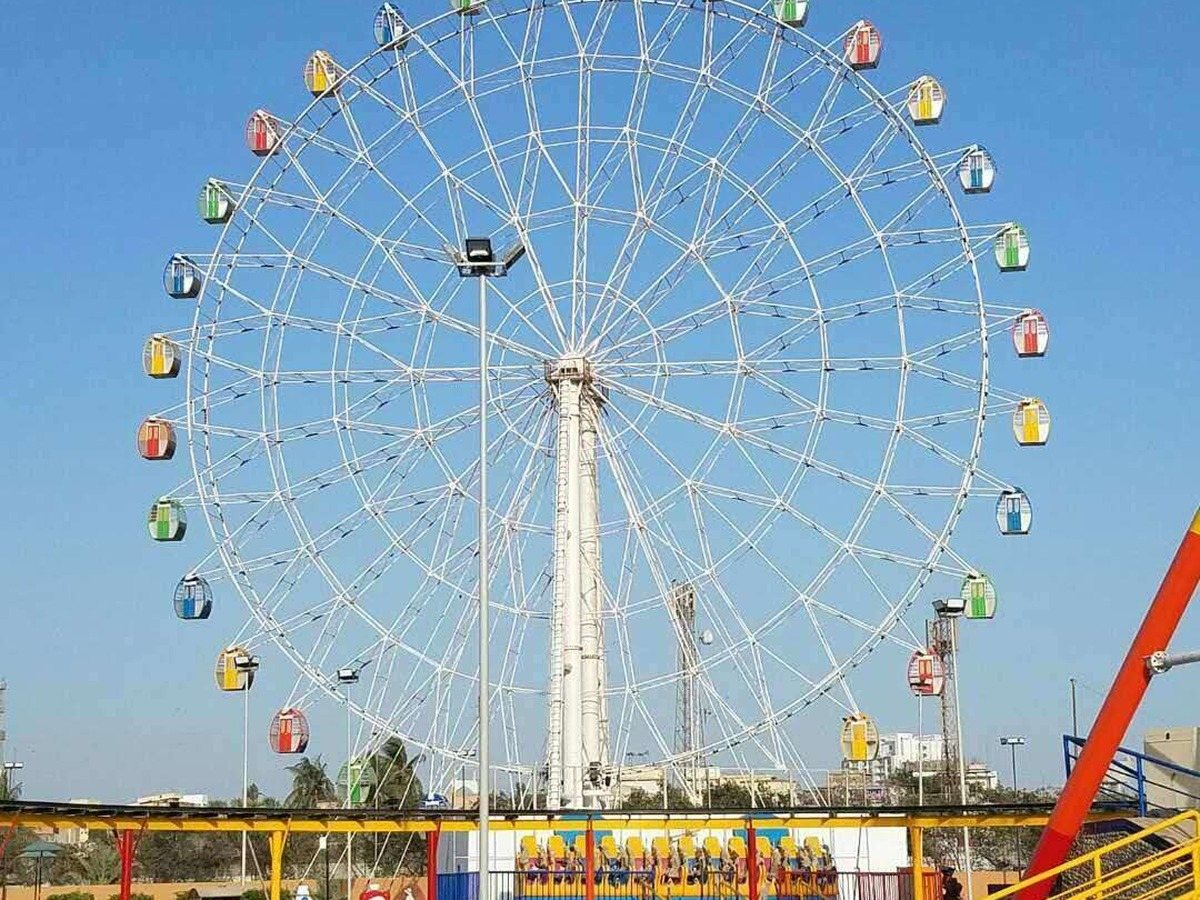
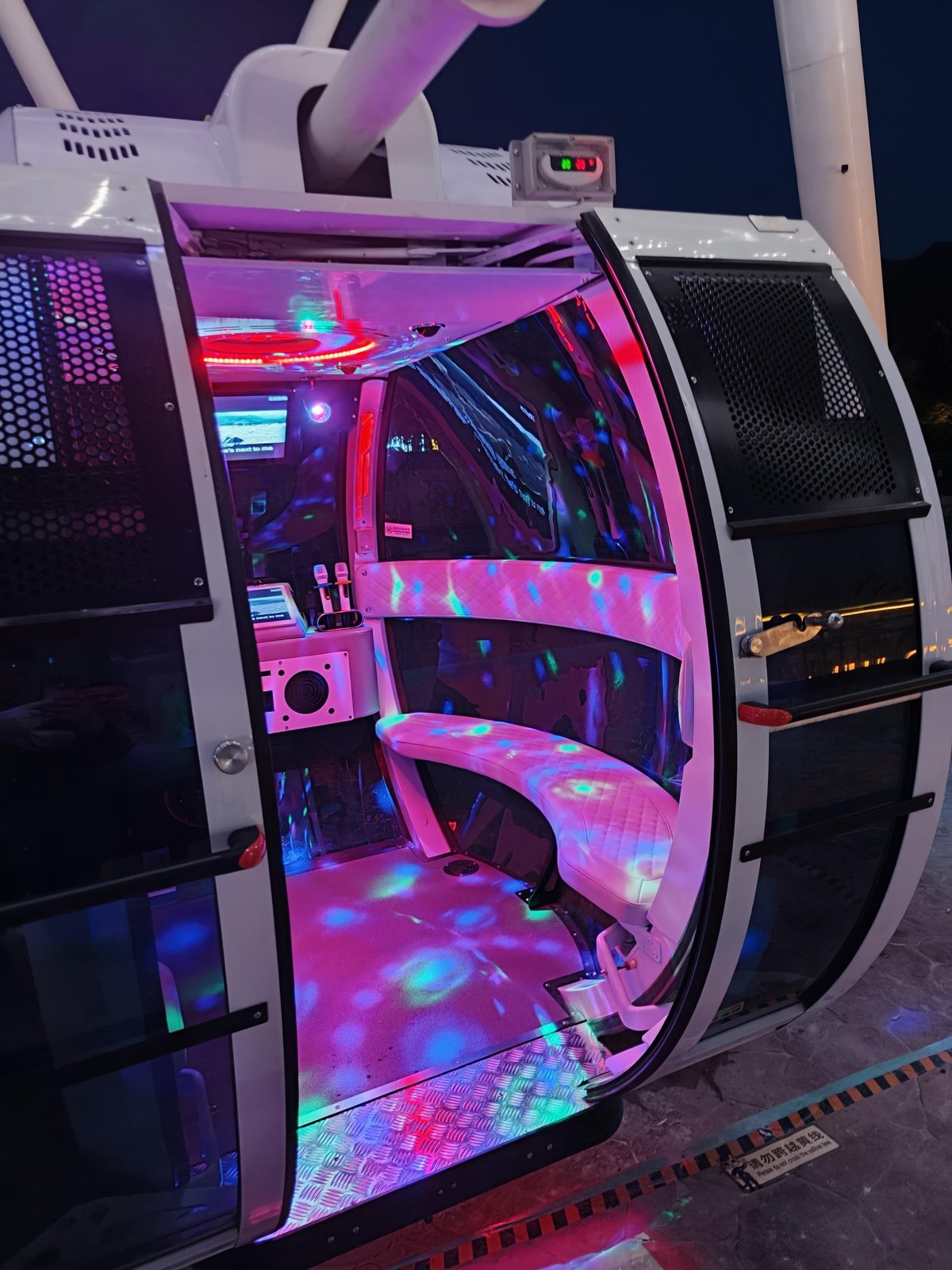
Scenic-area guests are buying the view, so the cabin experience is the product. Spherical cabins widen the field of view, and glass floors and media options lift the price point.
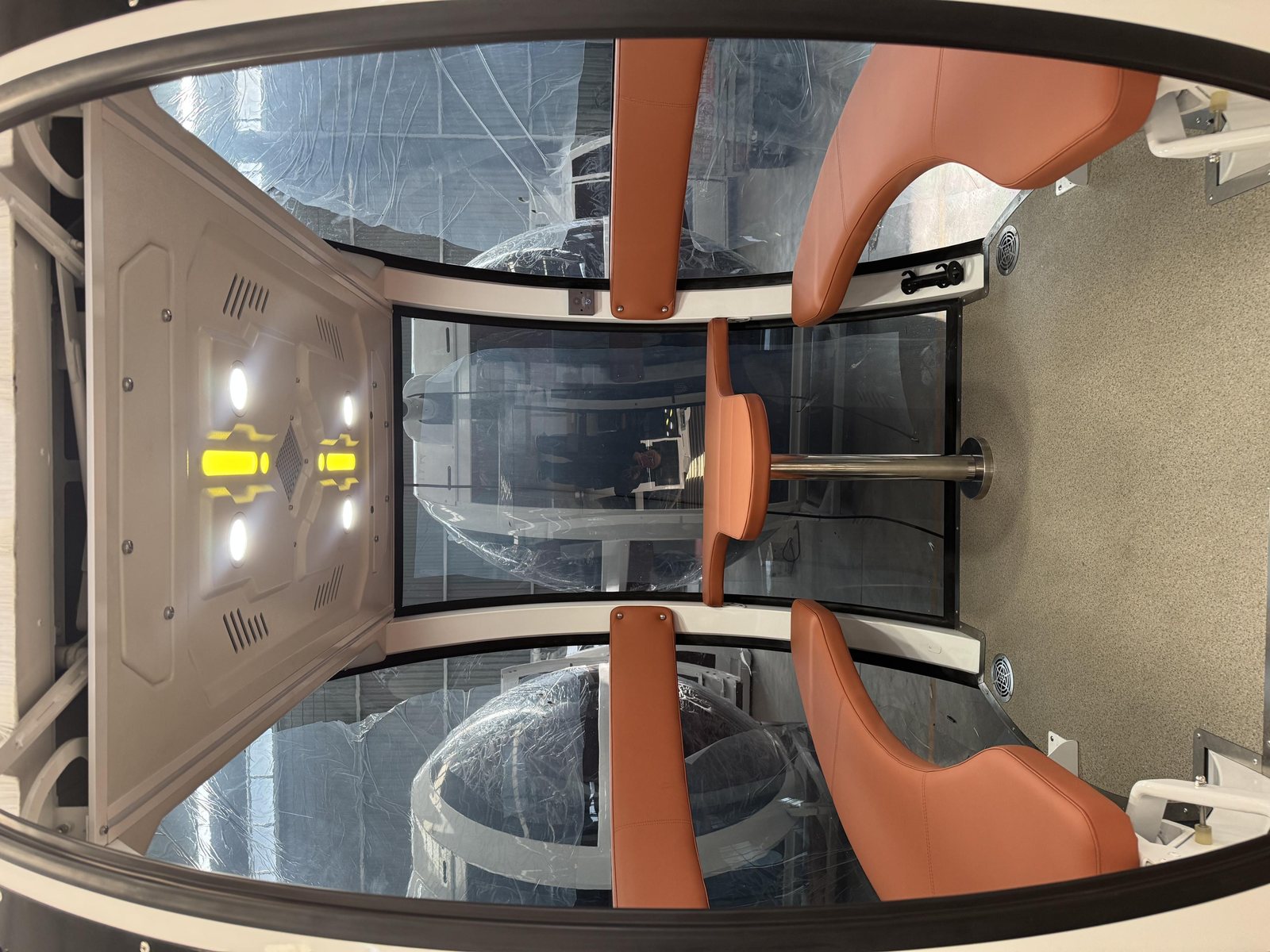
Scenic-area guests are buying the view, so the cabin experience is the product. Spherical cabins give a wider field of view, and glass floors, intercom and media options lift the price point. Air conditioning matters on exposed summer sites and extends the operating day.
Cabin upgrades change weight and electrical load, so they are fixed at quotation. The premium package raises revenue per guest, which is often more valuable for a scenic area than maximizing raw throughput.
5. Reduced power and utilities
The power plan matches the wheel to what the site can supply, and the control system can be specified to shed non-essential loads. The connected load is documented on one drawing for the utility.
Remote scenic sites often have a limited power supply. The 30-50 m models have modest drive power and can be configured without heavy AC loads, which helps on a ridge or lakeside where the grid connection is the binding constraint. The power plan matches the wheel to what the site can supply.
Where air conditioning is required, the load is fixed early so the generator or grid connection is sized once. The control system can be specified to shed non-essential loads, keeping the ride available on a reduced supply.
6. Corrosion and climate protection
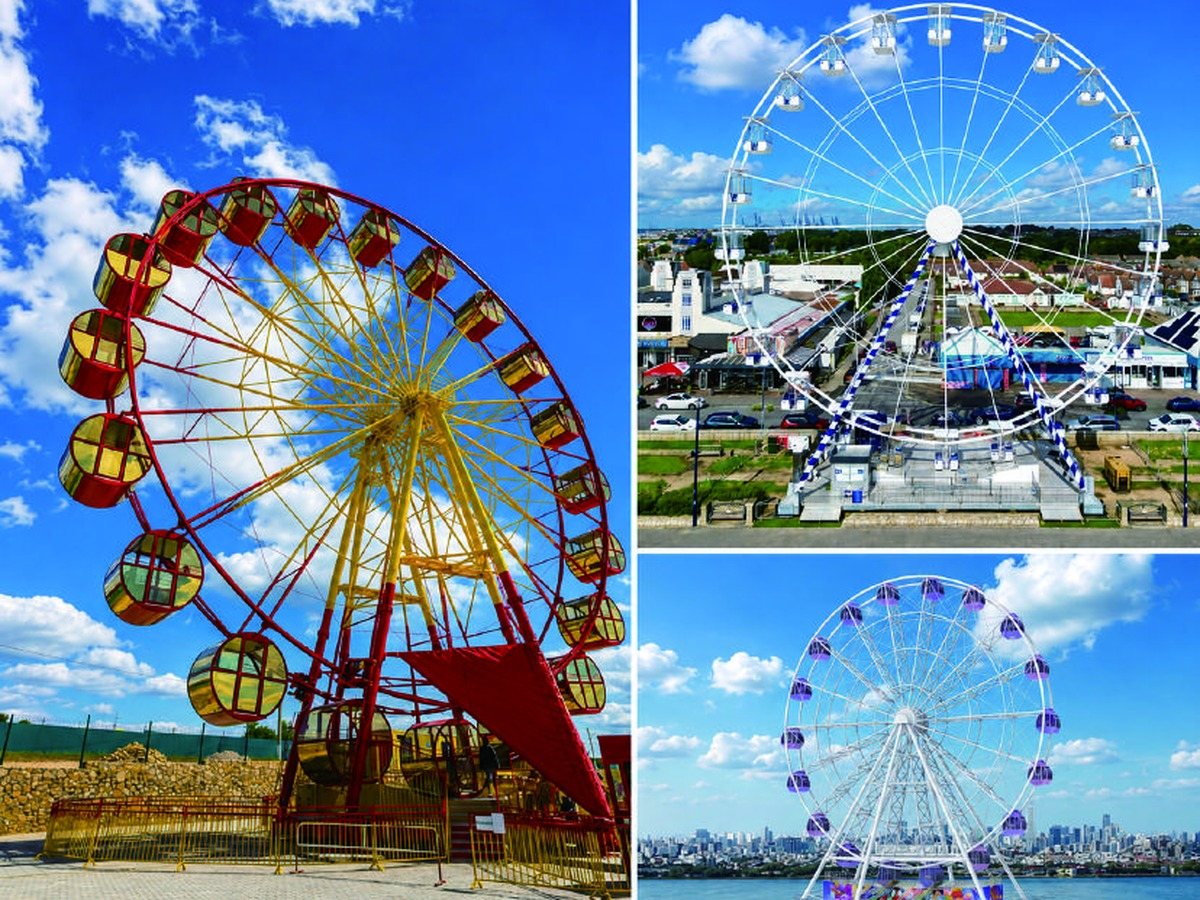
Lakeside and mountain sites add corrosion, humidity and temperature cycles, so the surface treatment, fasteners and enclosures are specified for the environment rather than a generic standard.
Lakeside, coastal and mountain sites add corrosion, humidity and temperature cycles that a park wheel may not see. The surface treatment, fasteners and electrical enclosures are specified for the environment, and the cabin sealing is reviewed for condensation and rain.
The climate study feeds the maintenance plan: coastal sites need more frequent inspection of the coating and cables, while mountain sites add snow and ice checks. Documenting the environment early avoids a corrosion problem discovered years into the asset life.
7. Wind on ridges and lakesides
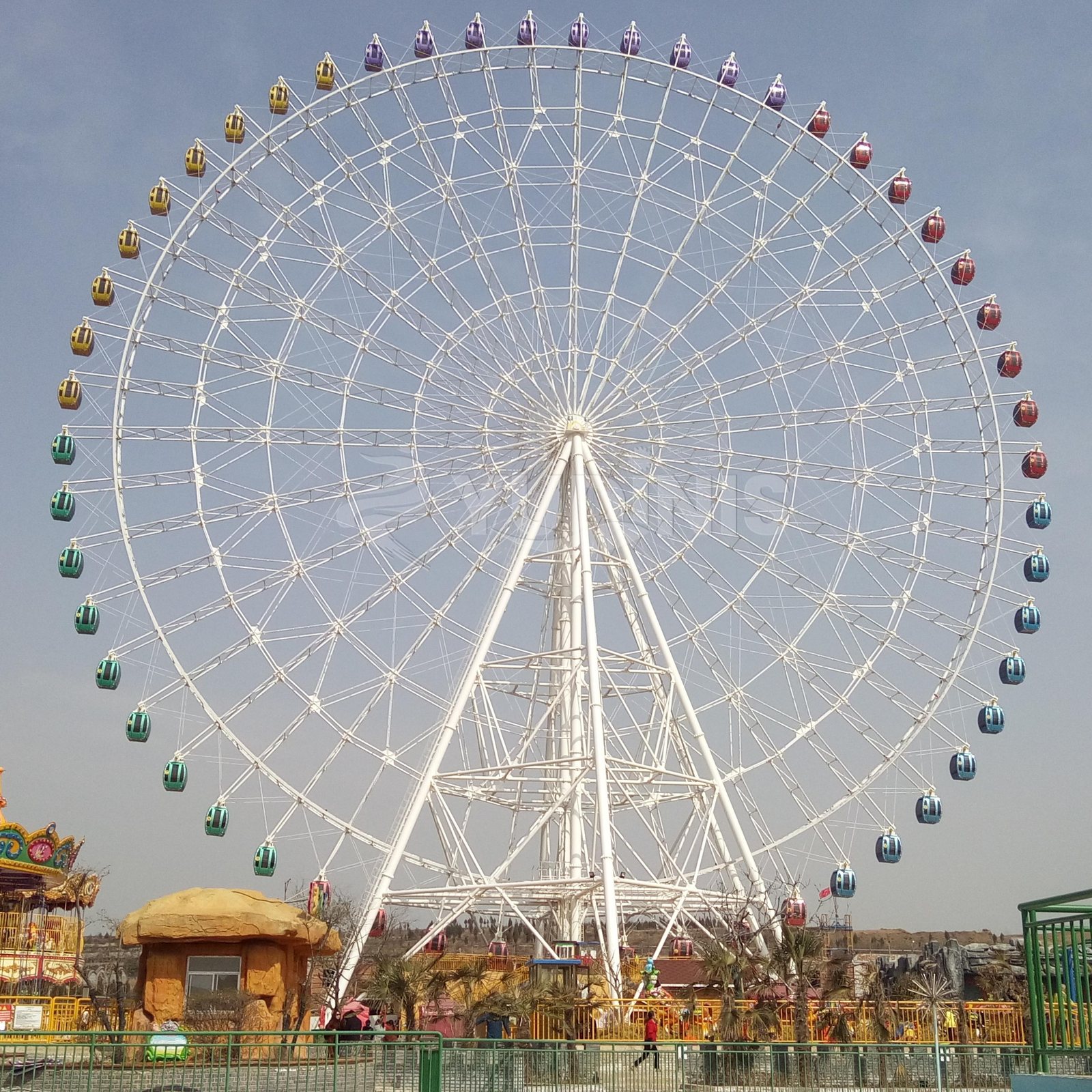
Wind monitoring with shutdown thresholds protects exposed sites, and the support type is chosen partly for how it behaves in gusty conditions. The safety case documents the wind assumptions.
Ridges and lakesides are often windier than urban plazas, so the structure is calculated for the local wind environment and the control system includes wind-speed monitoring with shutdown thresholds. The support type is chosen partly for how it behaves in gusty conditions.
Wind monitoring is standard practice on exposed sites, and the thresholds are set during commissioning with the operator. The safety case documents the wind assumptions so the owner can show the local authority and insurer how the wheel is protected.
8. Photo point and social identity
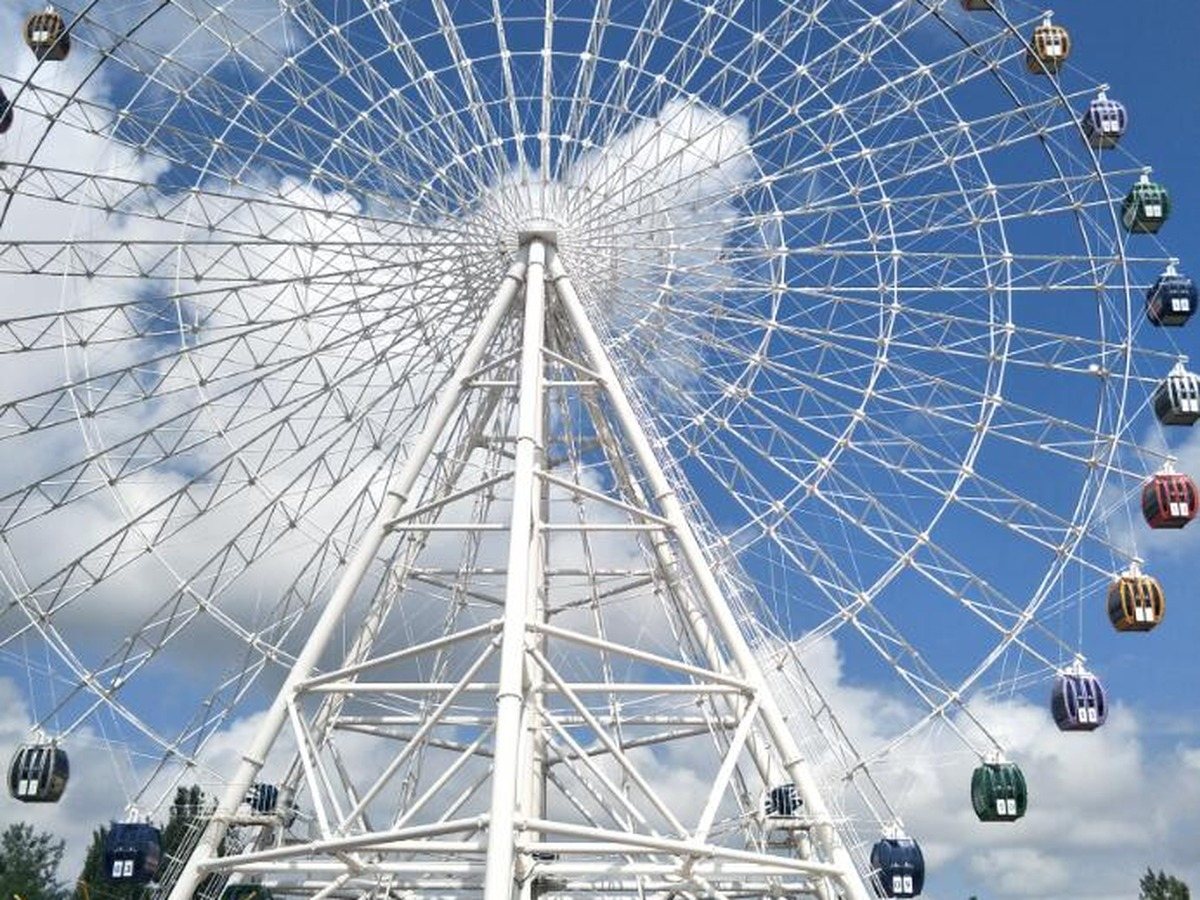
The wheel is designed as a photo point, not only a ride. The lighting, cabin colors and plaza views are arranged so guests photograph the wheel from the path and share the cabin view.
The wheel is designed as a photo point, not only a ride. The lighting, cabin colors and plaza views are arranged so guests photograph the wheel from the path and share the cabin view. Those images become the destination marketing at no media cost.
The photo point also anchors a second revenue line: photo packages, sunset sessions and premium cabin upgrades. The social identity is planned into the design rather than left to chance.
9. Delivery and installation
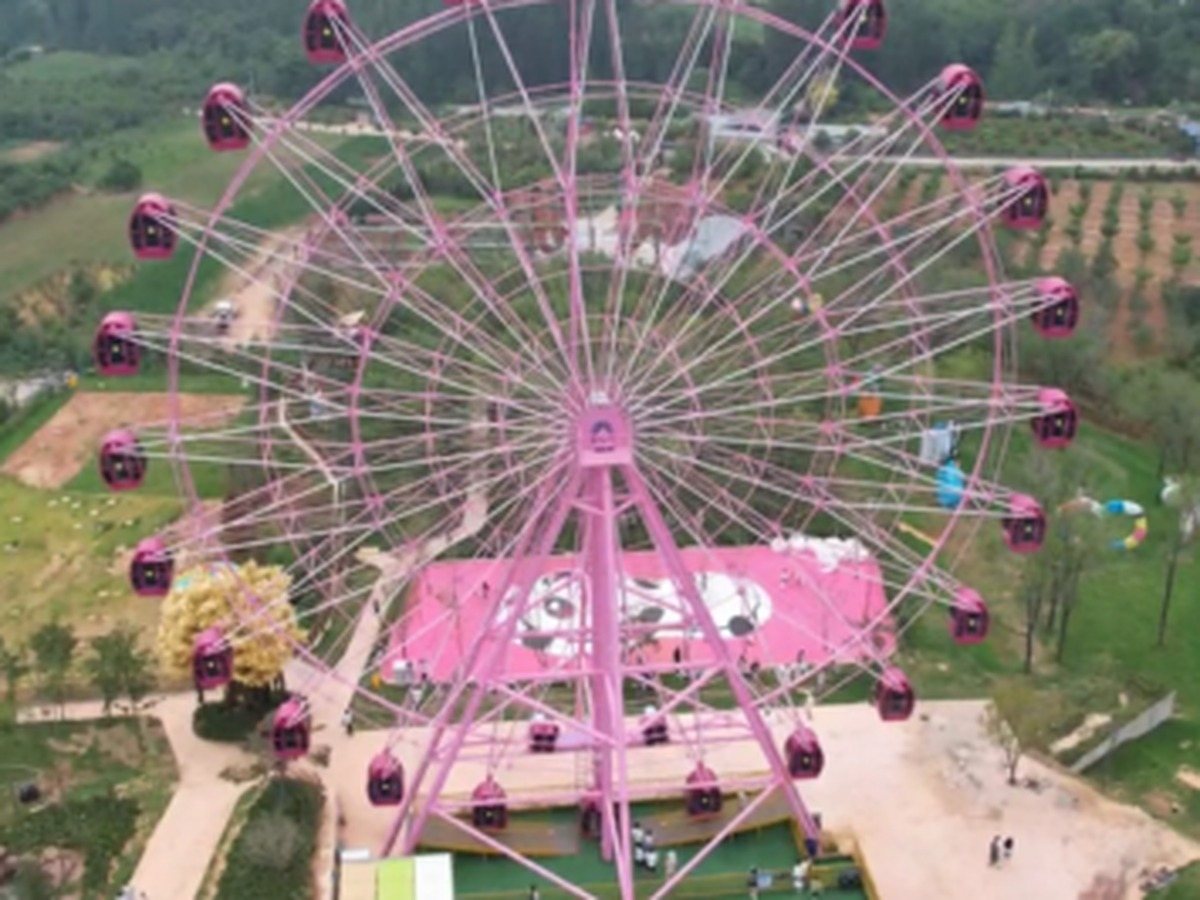
Compact wheels ship in the erection sequence and use a smaller crane, but the remote access route is reviewed early. A wheel that cannot reach the ridge is as bad as one that cannot fit the site.
Compact wheels have a lighter installation program than landmarks: smaller cranes, fewer lifts and a shorter commissioning period. The pre-assembled segments ship in the erection sequence, and the site access is planned for the crane and the delivery vehicles.
On remote sites the access route is reviewed early, because a wheel that cannot reach the ridge is as bad as one that cannot fit the site. The delivery plan includes the laydown area, crane position and the sequence for the terrain.
10. Operations and second revenue
Operations are kept light: a small team runs the daily checks, and remote monitoring watches speed and faults between visits. The spare parts kit protects the asset through the season.
The wheel adds a second revenue stream to a destination that already earns from entry, food or lodging. Ticket sales, photo packages and premium cabins are the obvious levers, and the wheel extends the visit so guests spend more across the site.
Operations are kept light: a small team runs the daily checks, and remote monitoring watches speed and faults between visits. The three-year spare parts kit and the support desk protect the asset through the season, when a closure loses the most revenue.
Scenic area wheel FAQ
Can a scenic area wheel run on a reduced power supply?
Yes. The 30-50 m models have modest drive power and can be configured without heavy AC loads, which helps on remote sites with limited supply.
Where air conditioning is required, the load is fixed early so the generator or grid connection is sized once rather than revised after the order. The control system can be specified to shed non-essential loads, keeping the ride available on a reduced supply. The power plan matches the wheel to what the site can actually deliver, because on a ridge or a lakeside the grid connection is often the binding constraint rather than the budget.
The drive and cabin systems are designed as one electrical load, so the operator knows the total demand and the peak demand from a single drawing. That clarity matters when the local utility asks for the connected load before approving the connection, and it means the operator can plan a generator or solar-plus-storage option with real numbers.
In practice, many scenic sites start with the standard 380 V / 50 Hz supply and avoid heavy air-conditioning loads, then add HVAC later if the demand supports it. The electrical design leaves room for that decision rather than closing it off.
The reduced power story is also a reliability story. A remote site with a long grid connection often suffers voltage variation, so the electrical design is made robust to that rather than assuming a clean urban supply. Soft-start and load management keep the drive and the cabin systems within their envelope, and the control system reports the supply quality the operator is actually seeing. That information is valuable before the wheel opens and again when the site adds future loads, because the operator can plan a generator or storage upgrade with measured data rather than a guess.
The same documentation is what the local utility and the insurer will ask for when the wheel is approved, so the power plan and the wind assumptions are written down from the start.
How do you handle wind on a ridge or lakeside?
The structure is calculated for the local wind environment, and the control system includes wind-speed monitoring and shutdown thresholds.
The support type is chosen partly for how it behaves in gusty conditions, and the thresholds are set during commissioning with the operator so the wheel responds the way the site team expects. The safety case documents the wind assumptions so the owner can show the local authority and insurer how the wheel is protected.
On a ridge or lakeside the wind can change quickly, so the monitoring is tied to the control system rather than to a separate weather service. When the threshold is reached the wheel slows or stops in a defined sequence, and the operator receives a clear indication of why. The structure itself is verified for the gust loads, so the threshold is a comfort and safety setting rather than the only protection.
The wind design is also one reason the support choice matters: an A-frame or parallel-column concentrates the overturning into fewer anchors, so the foundation and the wind study are done together rather than one after the other.
Wind protection on a scenic site is not a single setting but a sequence of behaviors. Below the threshold the wheel runs normally; approaching it the speed is reduced; at the threshold the wheel stops and the operator receives a clear indication of why. The thresholds are set during commissioning with the site team so the wheel behaves the way the operator expects in the conditions they know. The structure is verified for the gust loads separately, so the threshold is a comfort and safety setting rather than the only protection the wheel has.
Operators on remote sites often add remote monitoring after opening, and the electrical design leaves room for that rather than requiring a panel change.