
Dinis Ferris Wheel · Observation Wheel Manufacturer
Ferris Wheel Wind Load Design
Wind is the load that most shapes a Ferris wheel. Here is how it is calculated and how the wheel responds.
A Ferris wheel is a large, open structure exposed to the full wind environment. Wind load drives the member sizes, the foundation design and the operating thresholds, so it is studied at the start of a project rather than checked at the end.
1. The wind environment and load combinations
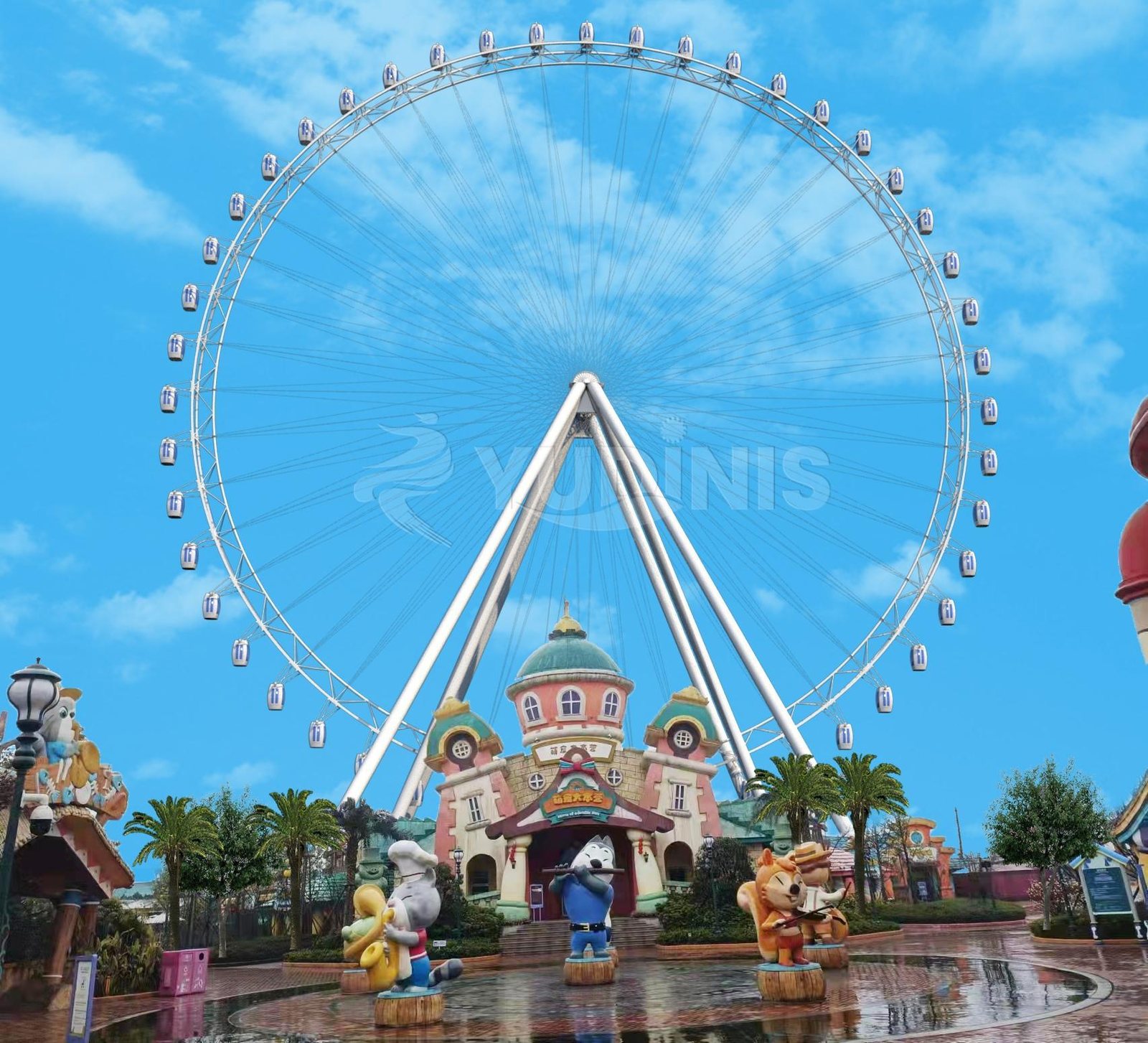
The design starts from the local wind climate: basic wind speed, exposure and gusts at the site. The wheel is checked against wind acting with dead load, live load and, where required, seismic load, so the structure is verified for the combinations the destination code demands. A waterfront or ridge site often has a different wind environment than a sheltered plaza a few kilometers away.
The open structure of a wheel means the wind loads are not uniform: the cabins, rim and spokes catch the wind differently, and the analysis accounts for the positions that produce the worst reactions. The result is a structure sized for the specific site rather than a generic table.
2. Foundation reactions and the structure
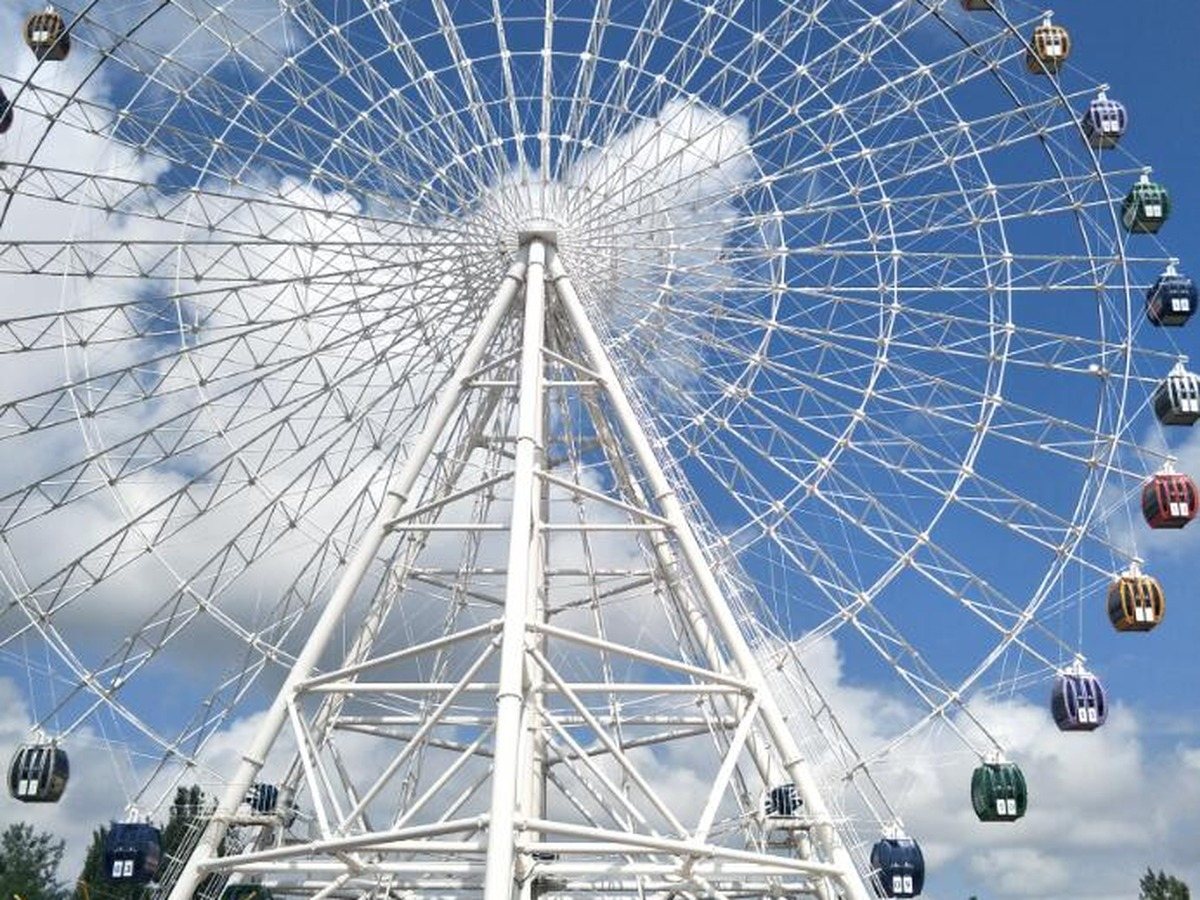
Wind becomes a foundation problem as much as a structure problem. The overturning moment from wind travels down the support into the foundation anchors, which is why the geotechnical and wind studies run together. A concentrated support such as an A-frame or parallel-column puts more demand on each anchor and needs more care in the foundation design.
The structural choice also responds to wind: a cable-stayed or spoke-cable form behaves differently in gusts than a rigid truss. The support is chosen partly for how it carries wind, not only for how it looks.
3. Shutdown thresholds and operation
The wheel also responds to wind in operation. A wind-speed monitor feeds the control system, and the wheel slows or stops above a preset threshold. The thresholds are set during commissioning with the operator and documented in the safety case.
Shutdown thresholds protect both comfort and structure: gusts that are uncomfortable for guests are stopped before they become a structural concern. The documentation shows the local authority and insurer how the wheel is protected in high wind.
Wind load FAQ
Why does wind design matter more for a taller wheel?
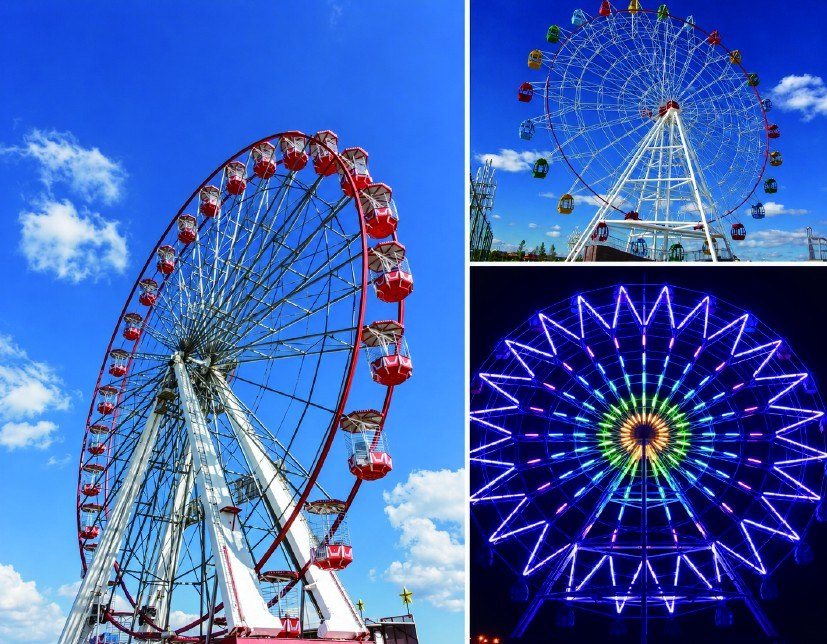
Wind speed and the overturning moment both grow with height, so a 103 m or 120 m wheel carries a much larger wind reaction than a 30 m model. The wind and geotechnical studies become the critical path, and they should begin as soon as the site is fixed.
Key takeaway: wind is a foundation problem as much as a structure problem. The wind and geotechnical studies should run together from the moment the site is fixed.