
Dinis Ferris Wheel · Observation Wheel Manufacturer
Ferris Wheel Case Studies
How the same engineering discipline applies to a waterfront landmark, a park anchor and a scenic-area photo point.
Each case below is written as a representative scenario rather than a named client, because many owners ask for confidentiality while their projects are in development. The engineering, the site logic and the scope are drawn from real delivery patterns across the range.
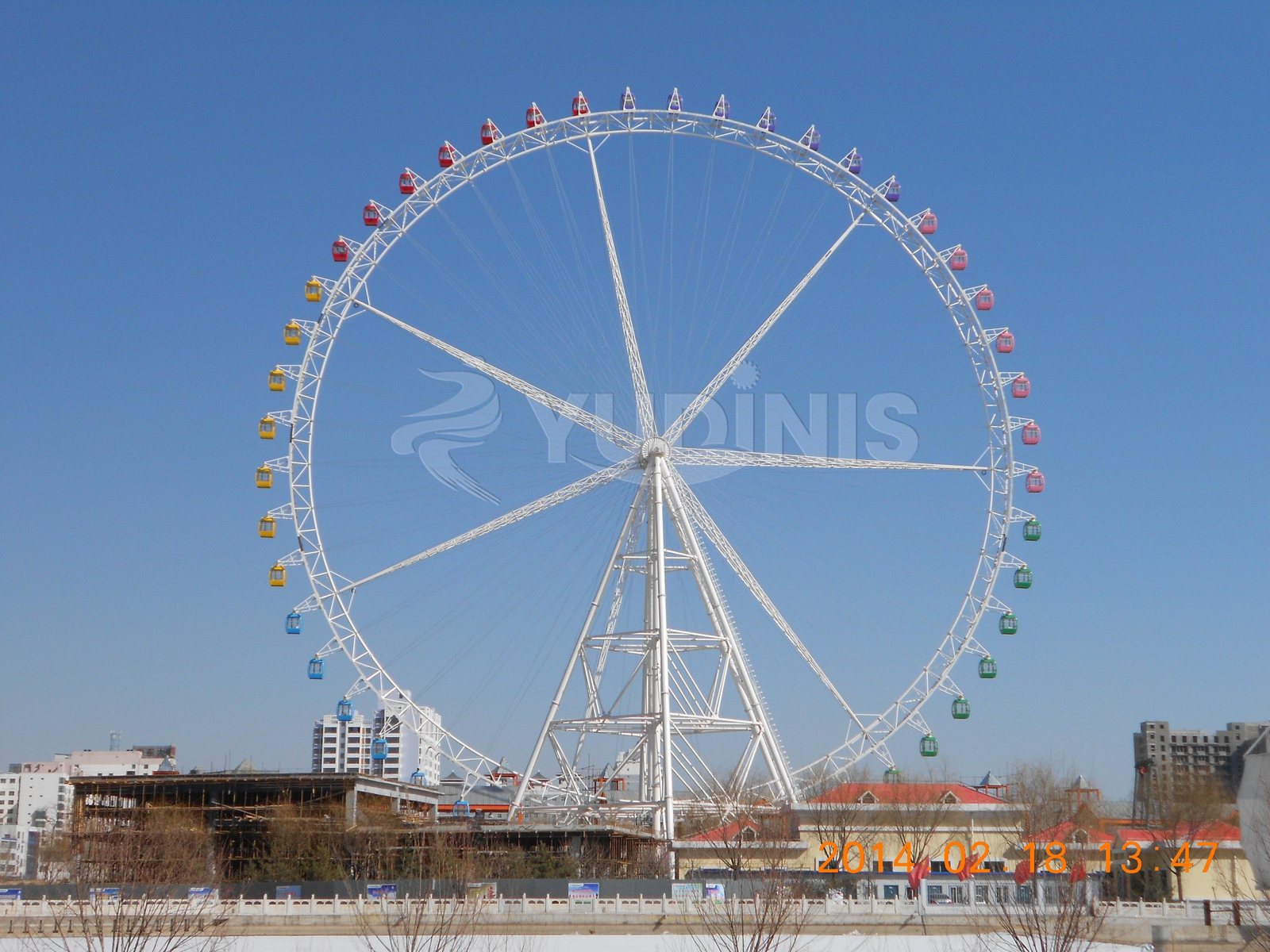
Waterfront 88 m Spoke-Cable Landmark
A lighter silhouette for a city waterfront with spherical cabins and night lighting.
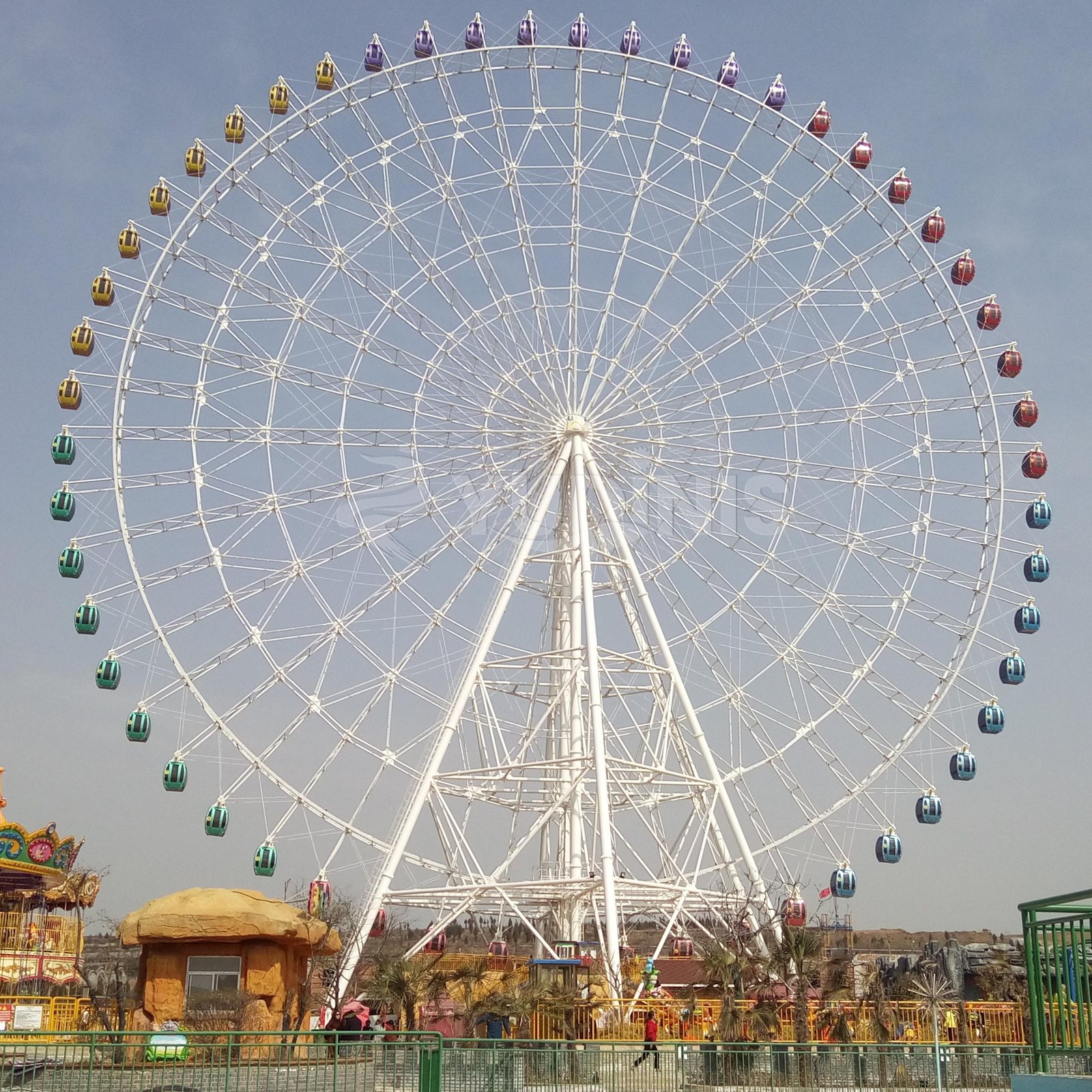
Theme Park 50 m Truss Anchor
A 128-passenger wheel as the visual and operational anchor of a family park.
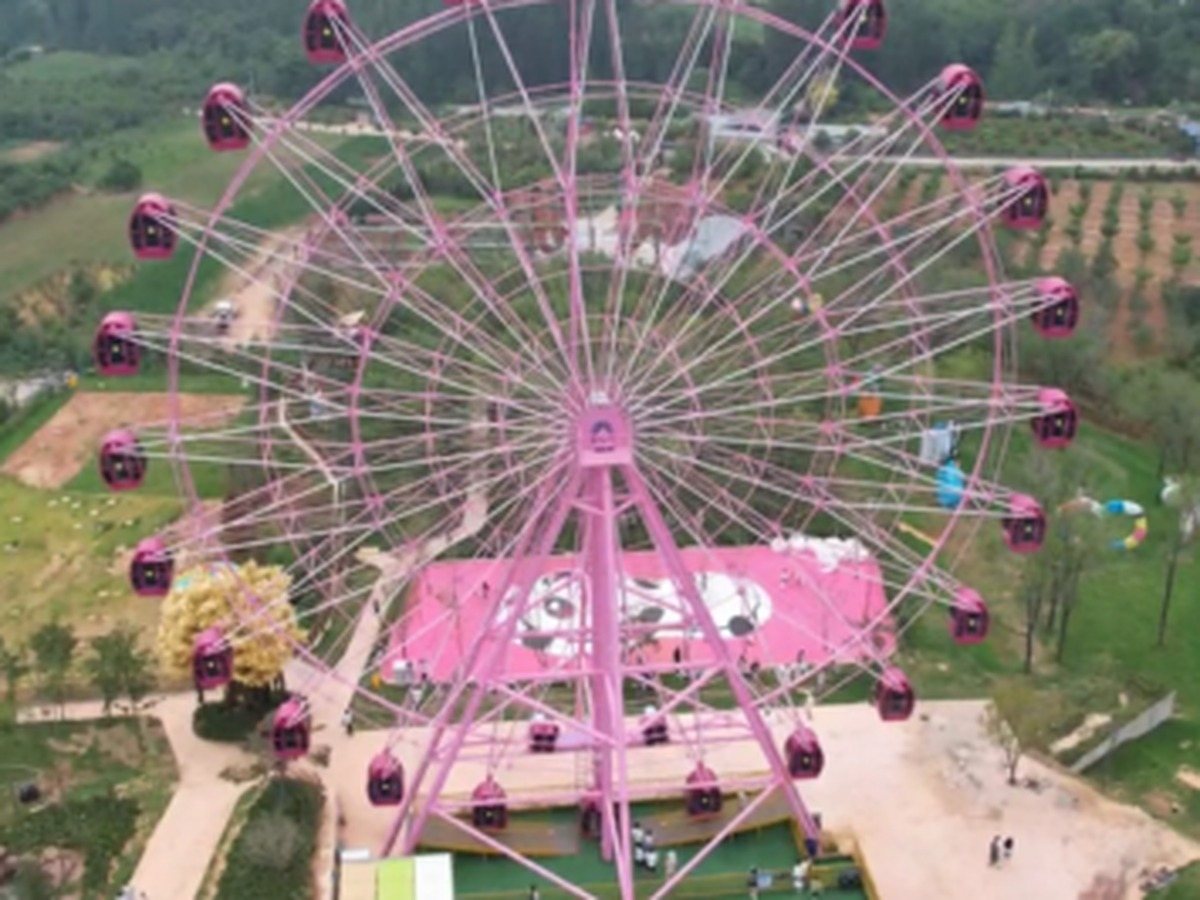
Resort Scenic-Area 42 m Wheel
A compact wheel that packages a lakeside view into a premium paid experience.
How to read a case study
Each case follows the same logic: the site constraint, the model choice, the structural and electrical decisions, and the operating result. The point is not the specific numbers but the reasoning, because that reasoning transfers to your site.
- Identify the binding constraint: width, wind, power or view
- Match the structure to the constraint, not only the budget
- Fix the cabin and lighting package early
- Plan civil works in parallel with production
Case study FAQ
Are these real named projects?
They are representative scenarios drawn from real delivery patterns, written without client names because many owners ask for confidentiality. For a comparable reference in your country or project type, contact us and we will share the closest case that is not under confidentiality.
Which case should I compare against my project?
Start with the case whose site constraint matches yours: width, wind, power or view. The model and structure follow from the constraint, so the matching case is usually the one with the same binding limitation rather than the same height.
Turning a case into your own project plan
The transferable part of a case study is the reasoning, not the numbers. Start by naming the binding constraint on your site - width, wind, power or view - and then look for the case that shares that constraint. The model and structure choices follow from it, which is why two projects at the same height can end up on different structures. If none of the published cases matches, tell us the country and project type and we will point to the closest comparable delivery.
The three published cases cover the main application families - a landmark, a park anchor and a scenic-area product - but the range of real sites is wider. The same reasoning applies to any of them: identify the binding constraint, choose the structure around it, and fix the cabin and lighting package before the electrical design.
Each case is written without client names because confidentiality is common in this industry, but the engineering is not softened. The reasoning that transfers to your site is the part we keep, and the part we cannot publish is available through a direct reference request.