
Dinis Ferris Wheel · Observation Wheel Manufacturer
Dinis Ferris Wheel Technical Library
The engineering behind a wheel explained in plain terms: drive, wind and cabin systems.
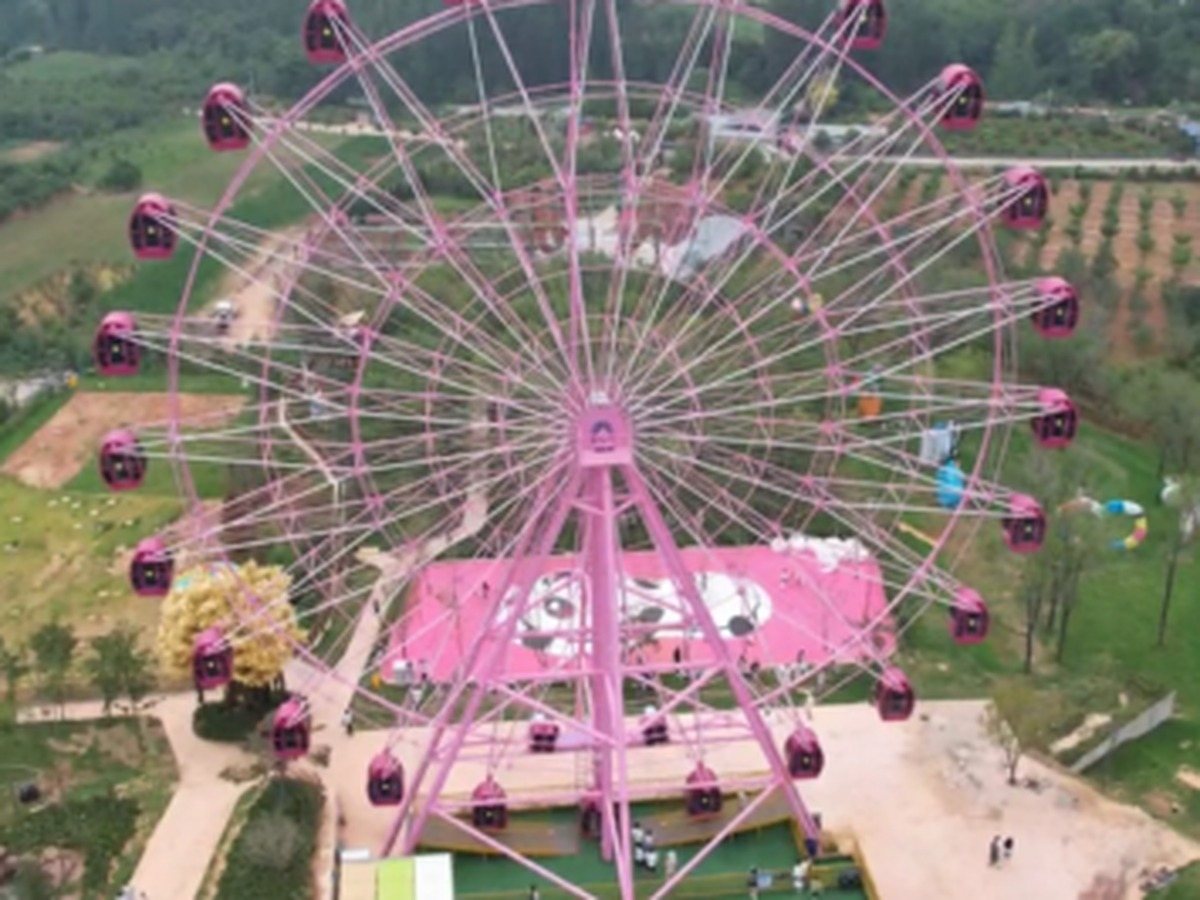

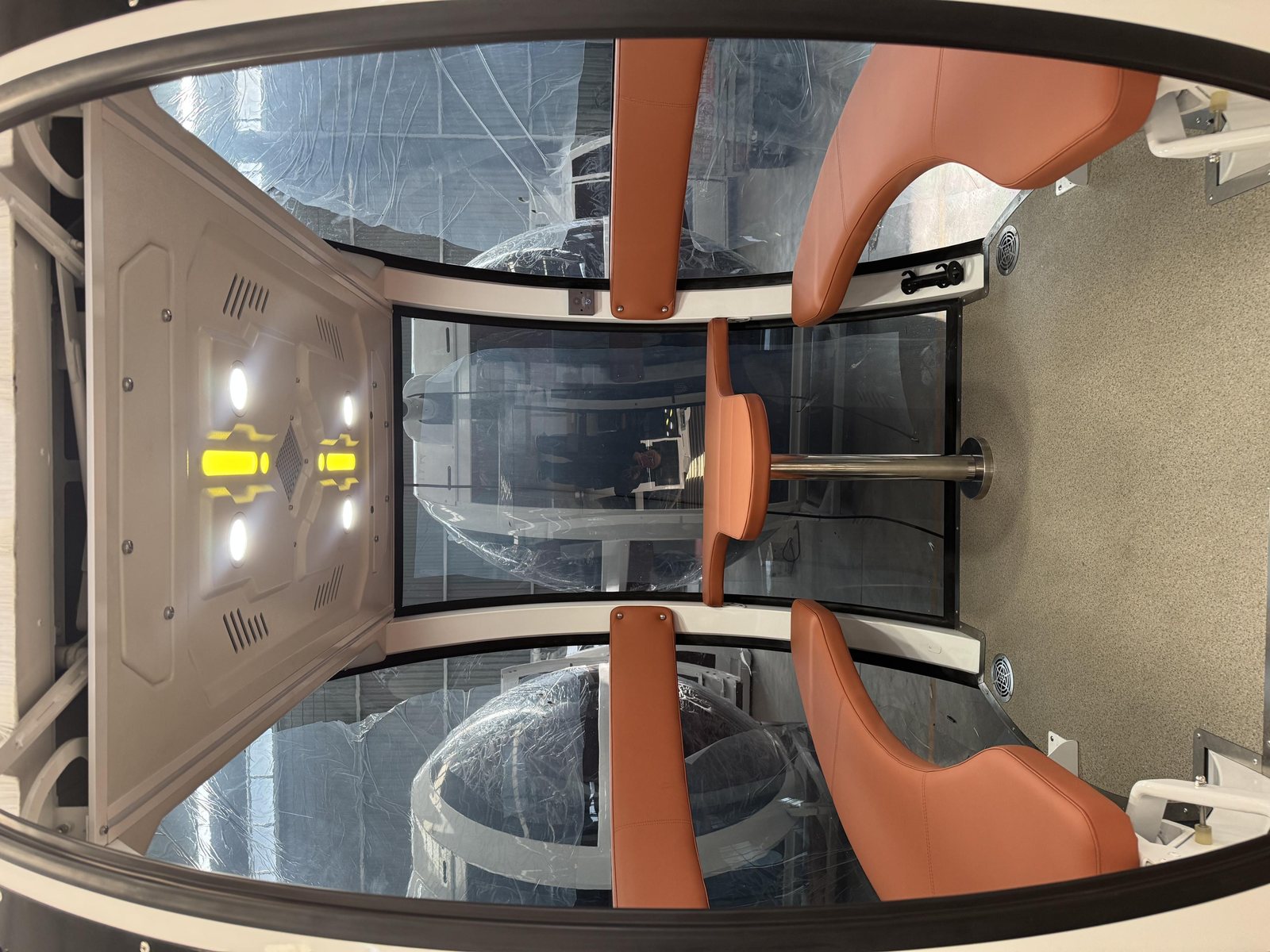
Why engineering detail matters
A Ferris wheel is a 20-25 year asset that carries the public in wind, heat and cold. The engineering behind the drive, the structure and the cabin comfort is what determines safety, availability and revenue, and a buyer who understands those systems negotiates a better contract.
- Drive redundancy and how a failure is handled
- Wind assumptions and the shutdown thresholds
- Cabin HVAC load and the installed capacity
- The inspection schedule that protects the asset
These engineering notes also explain where the money goes in a Ferris wheel price: redundancy, wind design and cabin HVAC are the specification lines that separate a safe, long-life wheel from a cheaper one. Ask for these details in any quotation so the technical scope is fixed before the contract.
Technical library FAQ
Who writes these technical notes?
The engineering team that designs the wheels. The notes are written for owners and operators rather than for other engineers, so the key trade-offs are explained in plain terms without hiding the technical basis.
Can I request a deeper technical review?
Yes. Send your project and we will walk through the calculation basis, the standards applied and the documentation you should request in any quotation.
How to use the technical library in a buying decision
These notes are not background reading; they are the checklist behind the quotation. When two suppliers quote the same height, the differences usually sit in the drive configuration, the wind assumptions and the cabin electrical load. Ask each bidder the same three questions - how many drive units are on the rim, which wind environment the structure was calculated for, and what installed capacity the cabin package requires - and the answers will separate a documented engineering case from a copied specification.
- Confirm the number and redundancy of the rim drive units
- Ask for the wind environment and shutdown thresholds
- Confirm the cabin HVAC load and installed capacity
- Request the inspection schedule before signing
The three notes together describe the machine as a system rather than a set of parts. The drive keeps the wheel moving and failing safely, the wind design sets the structure and the foundation, and the cabin HVAC sets the electrical load and the guest experience. Reading them before a quotation call means the engineer can move straight to the project-specific numbers instead of explaining the basics, which shortens the loop from enquiry to a comparable offer.
The library is deliberately small and focused, because a few well-explained topics are more useful in a buying decision than a wall of generic content. Each note ends with the question to ask a bidder, which is the practical bridge from reading to negotiation.
If the project reaches the design stage, the same notes become the agenda for the technical review, with each topic turned into a confirmed number for the site.
That turns the reading into a set of project-specific decisions.