
Dinis Ferris Wheel · Observation Wheel Manufacturer
Workshop Pre-Assembly of a 65 m Ferris Wheel
The 65 m wheel is erected in the workshop for fit, balance and no-load testing before it is packed for the site.
Pre-assembly is the stage that separates a manufacturing sequence from a site experiment. For a 65 m wheel with 36 six-seat cabins, the workshop build confirms that every segment, node and hanger fits before the components travel thousands of kilometers.
1. Why the wheel is built twice
The wheel is assembled in the workshop and then again on site. Building it first at the factory catches tolerance and interface issues where they are cheap to fix: a misaligned node or a tight cabin hanger discovered at the factory is corrected on the floor, while the same issue on site means a crane waiting and a schedule slipping. The pre-assembly record is also the baseline for the site sequence, so the crew repeats a proven build rather than solving it for the first time.
For the 65 m model, pre-assembly includes the rim segments, the support structure, the drive positions and the cabin hangers. The spherical or square cabins are trial-fitted, and the door interlocks and restraint checks are verified before the wheel is broken down for packing.

2. What the no-load test proves
The no-load test runs the wheel through its rotation without passengers to confirm drive behavior, balance and control response. For a wheel that will carry 216 passengers per cycle, the no-load run is the first full-system test of the drive, brakes and control cabinet working together. Balance is checked so the wheel turns without an uneven load, which protects the drive and bearings over the 20-year design life.
The test records join the handover file, so the owner receives evidence of the wheel's behavior before shipment. A third-party inspection can be arranged at this stage and is often written into the contract for landmark projects.
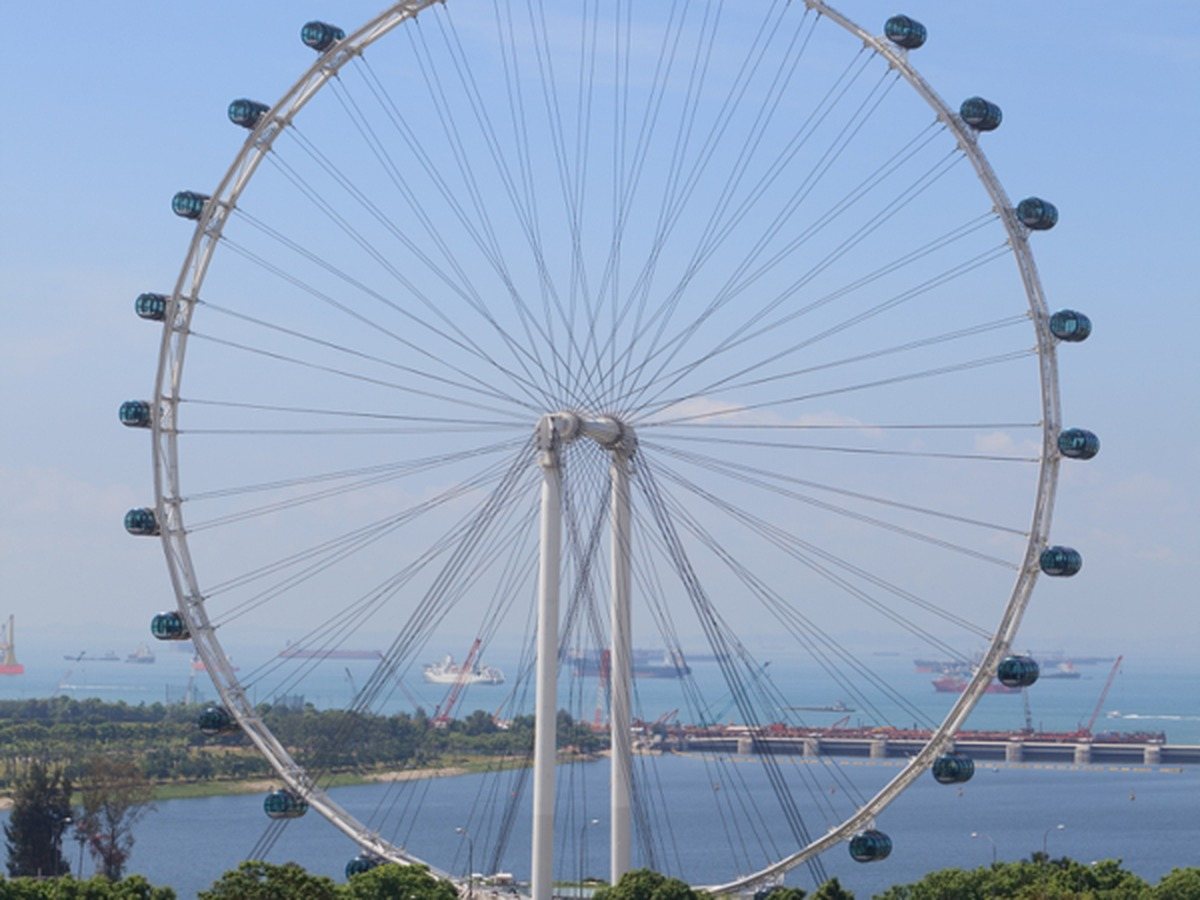
3. From the workshop to the site sequence
After pre-assembly, the segments are marked in the erection sequence and packed in that order. The marks transfer the workshop build to the site, so the site crew unpacks and erects in the same sequence the factory used. This is the practical value of building the wheel twice: the second build is faster and safer because the first build already solved the geometry.
The 65 m wheel then travels to the site, where foundations are prepared to the approved drawing and supervisors lead the erection through commissioning. The workshop milestone is the point where the project stops being drawings and becomes a tested machine.

Pre-assembly FAQ
Is pre-assembly done for every wheel size?
Yes. Every wheel is pre-assembled and no-load tested before shipment, from the compact 30 m model to the 120 m flagship. The scale changes the number of trial fits and lifts, but the principle is the same: catch fit and interface issues at the factory rather than on site.
Key takeaway: pre-assembly turns the site build into a repeat of a proven sequence. When you compare manufacturers, ask for the pre-assembly record and the no-load test report, not only for photos.